Classification of Iron Oxide and D&C Colors in Lipstick
Question
I would like to know about the classification of colors used in lipstick, specifically Iron Oxide and D&C Red No. 21 Al Lake. Are they considered "Artificial color" or natural colors? I am concerned about potential allergic reactions. Could you please explain the nature and origin of these pigments?
Answer
# Understanding Red Pigments in Lipstick
It's understandable to be concerned about potential allergens in cosmetics like lipstick. You asked about synthetic red colors, specifically Iron Oxide and D&C Red No. 21 Al Lake, and whether they are considered artificial or natural.
## Iron Oxides
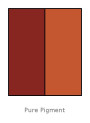
Iron Oxides, such as Red Iron Oxides, are pigments derived from naturally occurring minerals (iron + oxygen, like rust). However, the Iron Oxides used in cosmetics are typically produced synthetically under controlled conditions to ensure purity, consistency, and safety for cosmetic applications. While their origin is natural elements, the cosmetic ingredient itself is a synthetically processed form. Therefore, they are generally considered synthetic pigments in the context of cosmetic ingredients.
## D&C Red No. 21 Al Lake
D&C Red No. 21 Al Lake is classified as an organic pigment. In the context of chemistry, "organic" means the compound contains carbon, hydrogen, and often oxygen, and is related to organic chemistry, not necessarily that it is derived directly from plants or nature without chemical synthesis. D&C colors are synthetic colorants approved for use in cosmetics (Drug and Cosmetic colors). They are created through chemical synthesis.
## Artificial Color
The term "artificial color" can sometimes be interpreted differently depending on the context or definition being used. However, based on the common understanding in cosmetics, both synthetically processed Iron Oxides and D&C colors like D&C Red No. 21 Al Lake are considered synthetic pigments, as opposed to pigments directly extracted from natural sources without significant chemical modification.
If your friend has experienced allergic reactions, it is important to identify the specific ingredient causing the reaction. Patch testing or consulting a dermatologist can help pinpoint the culprit, as lipstick formulations contain many different ingredients besides pigments, including fragrances, emollients, and preservatives, any of which could potentially cause a reaction.
Related Products Mentioned
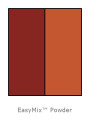
Red Iron Oxides EasyMix™
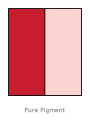
D&C Red No.21 Al Lake
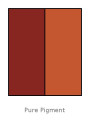
Iron Oxides Red (non-coated)
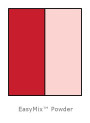
D&C Red No.21 Al Lake EasyMix™