Cleansing Gel Formulation for Sunscreen Removal and Oily Skin
Question
Regarding the following cleansing gel formula:
Ingredients:
- Water
- Butylene Glycol
- Sorbeth-6 Laurate
- Ammonium Glycyrrhizate
- Aloe Barbadensis leaf extract
- Gentiana Lutea root extract
- Hydrogenated Lecithin
- Cholesterol
- Ceramide3
- Carbomer
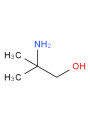
- Aminomethyl Propanol
- Methylparaben
- Acrylates/C10-30 Alkyl Acrylate Crosspolymer
- Pentasodium Pentetate
I have issues with hard-to-wash sunscreen leading to clogged pores, especially on my oily T-zone. Based on this formula:
- How well does this formula remove makeup and sunscreen?
- What ingredients from your website are suitable to add, or which ingredients should be removed or replaced to improve its effectiveness for removing sunscreen?
Answer
Cleansing for Oily T-Zone Skin
Addressing your concerns about cleansing, especially removing stubborn sunscreen and makeup from your oily T-zone, here is some information and suggestions:
Cleansing Oil
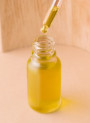
Using a cleansing oil can be very effective for removing makeup, sunscreen, and impurities from pores, even for oily skin. The principle is "like dissolves like," where the oil in the cleanser helps to dissolve the oils and waxes in makeup and sunscreen.
To create a cleansing oil that turns milky and rinses off easily with water, you need to include an emulsifier. This ingredient allows the oil and water to mix, so when you add water, the oil cleanser emulsifies and can be washed away without leaving a greasy residue.
Recommended Natural Oils (less likely to clog pores):
- Jojoba Oil: Structurally similar to skin's natural sebum, it is well-absorbed and non-greasy.
- Squalane (Olive): A highly stable emollient that is non-comedogenic and absorbs quickly.
- Sunflower Oil: A light oil rich in Omega fatty acids, stable and less likely to cause breakouts.
Emulsifiers to make oil rinse off (turn milky):
Adding an emulsifier to your chosen oil base will make it a "hydrophilic" cleansing oil that washes off with water. The percentage of emulsifier needed depends on the specific oil and emulsifier, but typically ranges from 5-20% of the total formula.
These emulsifiers help the oil bind with water, allowing for effective rinsing. The "milky" appearance when mixed with water is a sign the emulsification is working, enabling the makeup and oil to be washed away.
To enhance the cleansing power of a cleansing oil, you can adjust the ratio of oil to emulsifier or choose oils that are particularly good at dissolving makeup. Sometimes, a blend of oils works best.
Your Cleansing Gel Formula
Your current cleansing gel formula contains Sorbeth-6 Laurate, which is a surfactant (cleansing agent). As the staff mentioned, this ingredient should provide some cleansing ability. However, if you find it is not effectively removing your sunscreen, it might not be strong enough for the type of sunscreen you are using, or the concentration might be too low.
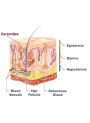
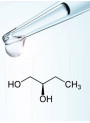
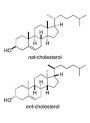
Sunscreen, especially water-resistant types, can be challenging to remove with water-based cleansers alone. While your gel contains some beneficial ingredients like Butylene Glycol, Aloe Barbadensis leaf extract, Hydrogenated Lecithin, Cholesterol, and Ceramide 3 (ingredients that help with skin conditioning and moisture barrier), the primary cleansing power comes from the surfactant.
The gelling agents (Carbomer, Acrylates/C10-30 Alkyl Acrylate Crosspolymer) and pH adjusters (Aminomethyl Propanol) provide the gel structure but do not contribute significantly to makeup or sunscreen removal.
To improve the cleansing power of your gel, especially for sunscreen, you could consider:
- Adding a more effective or a higher concentration of surfactant: While Sorbeth-6 Laurate is present, incorporating another gentle yet effective surfactant might help. PEG-80 Sorbitan Laurate is a gentle surfactant used in cleansing products that could potentially boost the formula's ability to lift and remove sunscreen.
- Incorporating a small amount of a suitable emollient or solvent: Some emollients can help dissolve sunscreen filters. However, adding oil to a gel formula requires careful formulation to maintain stability and texture.
Ingredients from your formula available on the website include:
- Butylene Glycol
- Aloe Vera Extract (Aloe Barbadensis leaf extract)
- Hydrogenated Lecithin
- Cholesterol
- Ceramide 3
- Carbomer (various types available)
- AMP (Aminomethyl Propanol)
- Pentasodium Pentetate
- Allianz OPT (similar to Acrylates/C10-30 Alkyl Acrylate Crosspolymer, a film former/thickener)
Based on the ingredients available, adding PEG-80 Sorbitan Laurate would be a direct way to potentially enhance the cleansing efficacy of your current gel formula for sunscreen removal without drastically changing its base structure, assuming compatibility.
It is generally not recommended to remove the gelling agents (Carbomer, Acrylates/C10-30 Alkyl Acrylate Crosspolymer) as they provide the gel consistency. Removing or replacing other ingredients like extracts or skin conditioning agents would change the overall properties of the gel beyond just cleansing power.
For effective sunscreen removal, especially if it's water-resistant, a dedicated cleansing oil or a more robust cleansing gel/balm specifically formulated for makeup and sunscreen removal is often more effective than a gentle gel cleanser alone. You might consider using your current gel as a second step after an oil-based cleanser if you prefer a double cleansing routine.
Related Products Mentioned
Jojoba Oil (Golden - Deodorized)
Squalane (Olive)
Polysorbate 20 (Tween 20)
Polysorbate 80 (Tween 80)
Butylene Glycol
Cholesterol (95%, NF, Fine Powder)
Carbomer 940 (EasyDisperse™, France)
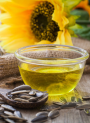
Sunflower Oil (High Omega, Refined)
PEG-80 Sorbitan Laurate (eq. Tween 28)
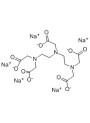
Pentasodium Pentetate (DTPA-5Na, 40%)