Cleansing Oil and Powder Facial Foam Formulation Questions
Question
I have questions regarding the formulation of two products:
- Cleansing Oil: Can liquid glycerin be used to replace
butylene glycolin a cleansing oil formulation? - Powder Facial Foam: For a powder facial foam formulation using
AminoWash (Sodium Lauroyl Glutamate)and charcoal powder:- What types of powders can be used to dilute the
AminoWash? - What is a suitable percentage for
Activated Carbon(charcoal powder)? - What percentage is recommended for the "amino group" (likely referring to a blend like
Amino Powder Cleanser)?
- What types of powders can be used to dilute the
Answer
Cleansing Oil Formulation: Glycerin vs. Butylene Glycol
Regarding your question about using liquid glycerin to replace butylene glycol in a cleansing oil formulation:
Butylene Glycol is commonly used in cosmetic formulations as a solvent and humectant. In cleansing oils, it can help dissolve oil-soluble ingredients and assist in the emulsification process when the oil is rinsed with water. Propylene Glycol has similar properties, and Butylene Glycol is often used as a gentler alternative.
Glycerin is primarily a humectant, meaning it attracts and retains moisture. While it is water-soluble and has some solvent properties, its function in a cleansing oil is different from butylene glycol. Glycerin is not as effective at dissolving oil-based substances or assisting with the oil-to-milk emulsification needed for rinsing as glycols like butylene glycol or propylene glycol are.
Therefore, liquid glycerin is generally not a direct substitute for butylene glycol in a cleansing oil formulation, especially if the butylene glycol is intended to help dissolve oils or improve rinsing performance.
Powder Facial Foam Formulation
For your powder facial foam using AminoWash and charcoal powder:
Powder to dilute AminoWash: You are correct that AminoWash (Sodium Lauroyl Glutamate) is typically used at a certain percentage and needs to be diluted with other powders in a powder cleanser. Suitable powders for dilution include starches (like Corn Starch), clays (like Kaolin), or fillers like Talc Powder. A common approach is to use a blend specifically designed for powder cleansers, such as Amino Powder Cleanser, which already contains appropriate surfactants and can be mixed with other powders.
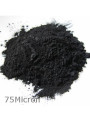
Charcoal Powder Percentage: Using Activated Carbon at 10% in a powder cleanser is a reasonable starting point. Activated Carbon is effective at adsorbing impurities, and 10% should provide noticeable detoxifying properties and color without making the product overly abrasive, depending on the particle size of the charcoal.
Amino Wash Percentage: The recommendation to use the "amino group" around 70%+ in a powder cleanser likely refers to the total percentage of the powder surfactant blend designed for this application (like Amino Powder Cleanser), not necessarily pure AminoWash (Sodium Lauroyl Glutamate) alone. If you are using a product like Amino Powder Cleanser as your base, then using it at 70-80% and adding other powders (like starch, clay, charcoal) to make up the remaining percentage is a standard approach for creating an effective powder cleanser.
Related Products Mentioned
Propylene Glycol (USP)
Glycerin (USP/Food Grade)
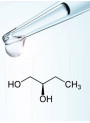
Butylene Glycol
Amino Powder Cleanser