Cleansing Oil Formulation: Emulsification, Texture, Shelf Life & Skin Reaction
Question
I am making a cleansing oil blend using mostly Safflower Seed Oil, Fractionated Coconut Oil, and Jojoba Oil, with about 12-13% Oil Milk (Laureth-4). My skin is combination, leaning dry, with minor acne. I have the following questions and issues:
- Does the type of oil used affect how the mixture turns into milk (emulsification)?
- My current blend results in a thin consistency when mixed with water. How can I achieve a thicker, creamier texture?
- My skin felt tight initially when using this blend, and even after adding more natural oil, it still feels a bit dry with a slight tingling around the mouth after my full routine (cleansing oil, Bifesta, Cetaphil, Witch Hazel Plus Allantoin, Argan Oil). How can I address this dryness and tingling?
- I want to extend the shelf life of my oil blend without using traditional preservatives. What are the recommended methods or ingredients for this?
Answer
Advice on Your Cleansing Oil Formulation
Thank you for sharing your experience with your homemade cleansing oil. It sounds like you're trying to find the right balance for your skin type. Let's address your concerns about dryness, tingling, consistency, and shelf life.
Dryness and Tingling Sensation
You mentioned your skin felt tight initially and improved slightly after adding more natural oil, but still felt a bit dry with a slight tingling around the mouth after your full routine (cleansing oil, Bifesta, Cetaphil, Witch Hazel Plus Allantoin, Argan Oil). Your skin type is combination, leaning dry, with minor acne.
Dryness: The amount of Oil Milk (Laureth-4) you used (around 12-13%) is within the recommended range for dry skin (10-15%). However, even within this range, it might still be too effective at cleansing for your skin, especially when combined with subsequent cleansing steps (Bifesta and Cetaphil). Reducing the Oil Milk percentage further, as suggested by the staff reply, is a good idea. You could try reducing it to 8-10% to see if that helps reduce the dryness. Also, consider if using three cleansing steps (your oil blend, Bifesta, Cetaphil) might be overly stripping for your skin. You might find that just using your emulsifying oil blend followed by a gentle rinse is sufficient.
Tingling: The staff reply correctly noted that the natural oils themselves in your blend are unlikely to cause tingling. Since the tingling occurs after the full routine, including toning and moisturizing, it's possible the combination of steps is contributing. Witch Hazel, even alcohol-free versions like the Witch Hazel Plus Allantoin you used, can be astringent and potentially irritating to sensitive or dry skin, especially around the mouth. Your previous routine using a different Witch Hazel product did not cause this sensation, suggesting either the change in the Witch Hazel product or the overall routine adjustments might be factors. To identify the cause, you could try temporarily removing the Witch Hazel step to see if the tingling stops. If it does, consider switching to a gentler, non-astringent toner or skipping toner altogether. Adding a moisturizer to your toner, as suggested by the staff, could also help mitigate potential dryness and irritation from the Witch Hazel.
Oil-to-Milk Consistency
You asked if the type of oil affects how the mixture turns into milk and noted your current blend results in a thin consistency, desiring something thicker. The staff reply confirmed that both the type of oil and the amount of Oil Milk influence the emulsification.
- Oil Type: You are currently using mostly Safflower Seed Oil, Fractionated Coconut Oil, and Jojoba Oil. These are generally lighter oils. Using a higher proportion of heavier oils (like Rice Bran Oil or Grape Seed Oil, which you mentioned from a previous product) or adding a small amount of a thicker oil or butter could result in a more viscous oil blend and potentially a thicker, creamier emulsion when mixed with water.
- Oil Milk Percentage: While you want to avoid dryness, slightly increasing the Oil Milk percentage within the recommended range (e.g., closer to 10% if you reduce it for dryness) can also lead to a more pronounced emulsification effect.
Extending Shelf Life Without Preservatives
You want to make your oil blend last longer without using traditional preservatives. For oil-based products, you don't use water-soluble preservatives. Instead, you use antioxidants to prevent the oils from going rancid (oxidizing).
- Antioxidant Options: You can add oil-soluble antioxidants to your oil blend. Common options include Vitamin E (Tocopherol or Tocopheryl Acetate) and Rosemary Oleoresin Extract (ROE).
- Vitamin E: Both Tocopherol and Tocopheryl Acetate can help protect oils from oxidation. Tocopherol is generally considered more effective as an antioxidant for the oil itself, while Tocopheryl Acetate is more stable. Recommended usage is typically 0.01% to protect other oils.
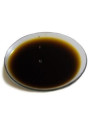
- Rosemary Oleoresin Extract (ROE): ROE is a highly effective antioxidant for oils, especially when used with Vitamin E. The recommended usage rate is 0.02% - 0.1%. Be aware that ROE has a strong dark color and distinct smell, which might affect your final product.
Adding one or a combination of these antioxidants at the recommended low percentages can significantly extend the shelf life of your oil blend by preventing rancidity.
Related Products Mentioned
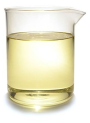
Vitamin E (Tocopheryl Acetate)

Jojoba Oil (Golden - Deodorized)
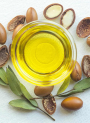
Argan Oil (Virgin - Deodorized)
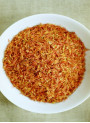
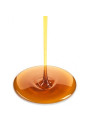
Vitamin E (dl-alpha tocopherol)

Rosemary Oleoresin Extract (ROE)
Fractionated Coconut Oil