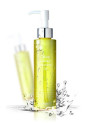
Cleansing Oil Formulation: Substituting Oils and Shelf Life without Preservative
Question
I am making a Cleansing Oil using Oilsify 15.
1. Can I substitute Mineral Oil Heavy with natural oils like Safflower Oil, Wheat Germ Oil, or Grape Seed Oil?
2. What is the shelf life of the formula if I do not include Phenoxyethanol?
Answer
Cleansing Oil Formulation Questions
Regarding your questions about the Cleansing Oil formula using Oilsify 15:
1. Substituting Mineral Oil with Natural Oils
Yes, you can substitute Mineral Oil Heavy with natural oils like Safflower Oil, Wheat Germ Oil, or Grape Seed Oil in your cleansing oil formula. However, there are factors to consider:
- Polarity: As the staff mentioned, natural oils are generally more polar than mineral oil. While this doesn't necessarily mean they cannot be used, it can potentially affect the stability of the formula, especially when using a high percentage of natural oils. Mineral oil is non-polar and very stable.
- Rancidity: A significant difference is that natural oils are prone to oxidation and can go rancid over time, leading to an unpleasant smell. Mineral oil is not susceptible to rancidity and has a very long shelf life.
- Performance: Different oils have different textures and skin feel. Mineral Oil Heavy provides a certain feel and cleansing ability. Natural oils will alter the texture and performance. For example, Grape Seed Oil is described as helping reduce clogged pores and acne for oily skin, while Safflower Seed Oil is high in Linoleic acid and helps retain moisture and increase elasticity.
While the staff recommended non-polar oil for stability, the example formula provided by another user shows that natural oils like Grape Seed Oil are indeed used in cleansing oil formulations. You may need to experiment with the percentage of natural oils to ensure the formula remains stable and performs as desired.
2. Shelf Life Without Phenoxyethanol
If you omit Phenoxyethanol from the formula, the primary concern shifts from microbial contamination to the rancidity of the oils, especially if using natural oils.
- Microbial Contamination: Since this is an oil-based formula without water, the risk of microbial growth (bacteria, fungi) is very low unless water is introduced into the product during use (e.g., from wet hands or splashing water into the bottle). Phenoxyethanol is a preservative that protects against such microbial growth.
- Rancidity: Natural oils like Safflower Oil, Wheat Germ Oil, and Grape Seed Oil contain fatty acids that can oxidize and become rancid over time, particularly when exposed to heat, light, and air. Mineral Oil is not prone to rancidity.
The shelf life of a formula without a preservative and using natural oils will be limited by how quickly the oils go rancid. This can vary depending on the specific oil, its quality, storage conditions (keeping it cool, dark, and airtight is crucial), and how the product is used. It will likely be significantly shorter than a formula containing mineral oil and/or a preservative. For personal use where the product is used relatively quickly and stored properly, omitting the preservative might be acceptable, but for products intended for sale or longer storage, a preservative like Phenoxyethanol (or considering an antioxidant like Vitamin E, although this primarily helps slow down rancidity, not prevent microbial growth) and stable oils are important.
In summary, while you can use natural oils, be mindful of potential stability issues and the increased risk of rancidity compared to mineral oil. Omitting the preservative means the shelf life will be determined by the oil's stability against oxidation, not microbial growth, unless water is introduced during use.
Related Products Mentioned

Phenoxyethanol (Extra Pure)