Cleansing Water Formula: Poloxamer 184 Usage and Alcohol Alternatives
Question
Regarding the high-performance Cleansing Water formula example provided:
Example Formula:
- Water: Remaining to 100%
- Butylene Glycol: 10%
- Glycerin: 7%
- Ethyl Alcohol: 5%
- Poloxamer 184: 10%
- Poloxamer 124: 5%
- Eye Preserved™ (Polyaminopropyl Biguanide): 1%
Usage: For any formula, functions as an Emulsifier.
Mixing Method: Mix in water.
Usage Rate: 0.1-5.0%
Product Appearance: Clear, viscous liquid, light yellow.
Solubility: Soluble in water, alcohol.
Storage: Store at room temperature, away from sunlight, heat. Shelf life at least 2 years.
INCI Name: Poloxamer 184
Based on the above product description, I have two questions:
- The product description states a usage rate of 0.1-5.0% for Poloxamer 184, but the example formula uses 10%. Is this still safe? I understood that the 0.1-5.0% rate meant it should not exceed 5%.
- If the provided formula is usable, what ingredients can be used to replace Ethyl Alcohol if I want the formula to be alcohol-free?
Answer
Cleansing Water Formula Questions
Poloxamer 184 Usage Rate
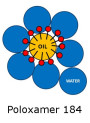
Regarding your first question about the usage rate of Poloxamer 184, the product description for Poloxamer 184 states the usage rate is 0.1-10.0%. The example formula uses 10%, which is within the maximum recommended usage rate provided in the updated product description. Therefore, using 10% Poloxamer 184 in this specific high-performance cleansing water formula is within the recommended range and should be safe for use as intended in such a formulation. The previous information you saw might have been an older or general guideline, but the current product information supports the 10% usage.
Replacing Ethyl Alcohol
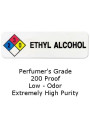
For your second question about replacing Ethyl Alcohol in the formula, Ethyl Alcohol acts as a solvent and contributes to the light, quick-drying feel of the cleansing water. If you wish to create an alcohol-free formula, you can replace Ethyl Alcohol with other solvents or humectants.
Here are some potential alternatives based on their properties as solvents and humectants, which can help dissolve ingredients and provide a pleasant feel:
- Propylene Glycol: A common solvent and humectant. It can help dissolve ingredients and retain moisture.
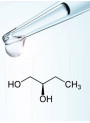
- Butylene Glycol: Already present in your formula, increasing its concentration can help compensate for the solvent properties of alcohol. It is also a humectant and generally considered milder than Propylene Glycol.
- Pentylene Glycol: Acts as a solvent, humectant, and can also provide some antimicrobial boosting properties. It is often used as an alternative to traditional glycols.
- Hexylene Glycol: Another solvent commonly used in cosmetics, often as a replacement for Propylene Glycol.
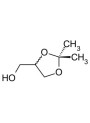
- Isopropylidenglycerin (Solketal): A solvent that can dissolve in water.
- PPG-2 Methyl Ether: A solvent that can evaporate and is used in cosmetics for its dissolving efficiency.
When replacing Ethyl Alcohol, you may need to experiment with the concentration of the alternative ingredient and potentially adjust the levels of other ingredients like Poloxamer 184 and Poloxamer 124 to maintain the cleansing performance and desired texture of the formula. Removing alcohol will likely change the feel, making it less rapidly evaporating.
Related Products Mentioned
Propylene Glycol (USP)
Glycerin (USP/Food Grade)
Butylene Glycol
Poloxamer 184
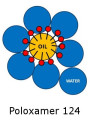
Poloxamer 124
Pentylene Glycol (Low-Odor)
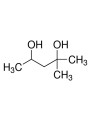
Hexylene Glycol