Clear Gel Toothpaste: Cloudiness from Silica and Low Foam with SLS
Question
Regarding the use of Hydrated Silica in formulating a clear gel toothpaste: When used at the recommended quantity, the gel becomes cloudy. How can this be resolved? Also, the %SLS used in toothpaste is limited by the FDA to no more than 2.0%. When mixed into the formula, it produces foam, but the foam does not subside and testing shows very little foam. I need more foam. Do you have any suggestions or how should I resolve this?
Answer
Toothpaste Formulation Adjustments
Here are some suggestions for adjusting your clear gel toothpaste formula based on the issues you're encountering:
Hydrated Silica Cloudiness
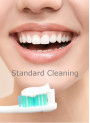
Using the correct type of Hydrated Silica is crucial for maintaining clarity in a gel toothpaste. Ensure you are using a grade specifically designed for clear gel formulations, such as Hydrated Silica (Standard-Cleaning, clear texture). This type is processed to have optical properties that minimize light scattering, allowing the gel to remain transparent even at recommended usage rates (typically 8-15% for cleaning, up to 20%). If you are already using this type and still experience cloudiness, review your mixing process to ensure the silica is fully and evenly dispersed without excessive air incorporation, which can also cause turbidity.
Increasing Foam with SLS Limitations
The 2.0% limit for SLS in toothpaste in Thailand can indeed result in less foam than desired compared to formulations using higher concentrations or different surfactants. Since you are already at the maximum allowed SLS percentage, you cannot simply increase it.
To boost foam while adhering to regulations, consider incorporating secondary surfactants or foam boosters that are suitable for oral care and compatible with your formula. Some options include:
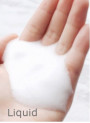
- Cond-Foam™ (Sodium Lauroyl Sarcosinate, Liquid): This surfactant is known for generating good foam and is suitable for toothpaste. Its foaming performance is particularly good in the pH range of 5-6. It also offers a conditioning effect.
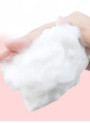
- Creamy Foamer™ (Sodium Methyl Cocoyl Taurate, High Concentrate): This is a foam booster that creates a soft and smooth foam. It can be used to enhance the foam quality and volume of your primary surfactant system. It works best around pH 6.3.
Evaluate these alternatives or combinations at appropriate usage rates (refer to product specifications for guidance) to achieve the desired foam level without exceeding regulatory limits for individual components or impacting the clarity of your gel base. Adjusting the formula's pH might also influence the performance of certain surfactants, as noted for Cond-Foam™.
Remember to conduct stability testing on any modified formula to ensure clarity, viscosity, and overall product integrity are maintained over time.