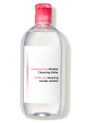
Cloudiness and Sediment in Diluted Micellar Cleansing Water
Question
After diluting Encapsulated Micellar Cleansing Water (10:1) with water, the solution was initially clear but became cloudy and developed slight sediment after about a week, even after filtering. How can this be resolved to maintain a clear solution?
Answer
Solution for Cloudiness in Diluted Micellar Cleansing Water
Regarding the issue of Encapsulated Micellar Cleansing Water (10:1) becoming cloudy and forming sediment after dilution and sitting for about a week, even after filtering, here are some potential causes and solutions:
Water Quality: The most common reason for precipitation or cloudiness developing over time in diluted solutions is the quality of the water used for mixing. Impurities, minerals, or microorganisms in tap water or insufficiently purified water can react with components in the micellar solution and cause them to become insoluble or promote microbial growth, leading to turbidity and sediment. Ensure you are using highly purified water (such as distilled or deionized water) for dilution.
Complete Mixing and Settling: The product description recommends mixing with water until clear, letting it sit for 12 hours for complete mixing, and then filtering. While you mentioned filtering, ensuring the full 12-hour settling period before the initial filtration can help remove any initial micro-sediment from the encapsulation process. However, the cloudiness appearing after a week suggests a longer-term stability issue potentially related to water quality or other factors.
Temperature Fluctuations: Significant changes in storage temperature can sometimes affect the solubility of ingredients, leading to components falling out of solution and causing cloudiness or sediment.
Microbial Contamination: Although the product contains a preservative system, if the water used is not sterile or if the container or mixing process introduces microbes, contamination can occur over time, resulting in turbidity and sediment. Using purified water and clean containers is crucial.
To address the issue:
- Verify Water Purity: Absolutely ensure you are using high-purity water (distilled or deionized) for dilution.
- Re-filter: If cloudiness appears, re-filtering through a very fine filter (like a 0.2 or 0.45 micron filter) might help remove precipitated particles, but it may not prevent further cloudiness if the underlying cause (like water impurities) is not addressed.
- Cleanliness: Ensure all containers and equipment used for mixing and storage are thoroughly clean and sanitized.
Focusing on using high-purity water for dilution is the most critical step to prevent this type of delayed cloudiness and sedimentation.