Color Pigments for Oil-Based Lip Products: Usage, D&C vs FD&C, and Swatch Interpretation
Question
I have questions about using color pigments in oil-based formulations:
- For which product types are
Iron OxidesandUltramarinesuitable? - What is the difference between
D&C LakeandFD&C Lakecolors?- For example, what is the difference between
D&C Yellow No.10 Al LakeandFD&C Yellow No.5 Lake? - Also, what is the difference between
D&C Red No.27 Lake EasyMix™andFD&C Yellow No.5 Lake EasyMix™? IsEasyMix™easier to mix into formulations than the standard versions?
- For example, what is the difference between
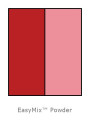
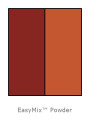
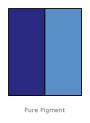
- In product images showing colors with two sides (left and right), what does each side represent?
Answer
Color Selection for Lip Products (Oil-Based)
1. Iron Oxides and Ultramarine
- Iron Oxides: These are inorganic pigments derived from iron ore. They have high light and heat stability and provide natural tones like red, yellow, black, and brown. They are commonly used in various makeup products, including lipsticks, due to their high safety profile and good opacity. They disperse well in oil.
- Ultramarine: Also inorganic pigments, they provide blue, violet, and pink tones. They are stable and safe for use in many cosmetic applications, including lipsticks. Like Iron Oxides, they disperse well in oil.
Both Iron Oxides and Ultramarine are suitable for use in oil-based lip products. They need to be mixed or ground to disperse evenly in the oil phase.
2. Difference between D&C Lake and FD&C Lake
- D&C stands for Drug and Cosmetics, meaning colors certified for use in drugs and cosmetics.
- FD&C stands for Food, Drug and Cosmetics, meaning colors certified for use in food, drugs, and cosmetics.
The main difference lies in the scope of use according to regulatory bodies (e.g., FDA in the USA). FD&C colors have stricter purity requirements to be suitable for food use. However, colors sold in retail sizes are often repacked in facilities that are not food production plants, so they cannot be used in food even if they are FD&C type.
"Lake" colors are insoluble pigments formed by precipitating water-soluble D&C or FD&C dyes onto a substrate like aluminum (Al), calcium (Ca), or barium (Ba). This results in pigments that do not dissolve in water and disperse well in oil or silicone-based formulas, making them ideal for makeup products like lipsticks where color payoff and longevity are desired.
- D&C Yellow No.10 Al Lake and FD&C Yellow No.5 Lake are different lake colors. D&C Yellow No.10 is a yellow color approved for drugs and cosmetics (except around the eyes), while FD&C Yellow No.5 is a yellow color approved for food, drugs, and cosmetics (including around the eyes). The primary difference is the certification and the properties of each specific color number.
- D&C Red No.27 Lake EasyMix™ and FD&C Yellow No.5 Lake EasyMix™ are also different lake colors with certifications and properties based on their D&C or FD&C designation and color number. The term EasyMix™ indicates that the pigment has been surface-treated (e.g., coated with Methicone) to make it much easier to disperse in formulations. It doesn't require grinding equipment and can be mixed by hand. These colors are softer, smoother, and adhere better than regular powder pigments. Therefore, EasyMix™ colors are easier to blend into formulas than standard uncoated powder lake pigments.
3. Image with Two Sides (Left-Right)
Based on the staff's explanation, the image with two sides (left-right) means:
- Left side: Shows the color of the pigment alone or in its concentrated form.
- Right side: Shows the color of the pigment when mixed with white (such as Titanium Dioxide or White Oxides EasyMix™). Mixing with white adjusts the brightness and opacity of the color, showing how the color will appear when incorporated into a lipstick base or other makeup products that contain white pigment.
Safety for Lips
Cosmetic-grade Iron Oxides, Ultramarines, and D&C/FD&C Lake colors are generally considered safe for use in lip products. However, it is important to purchase them from reputable suppliers and check their safety documentation (e.g., Certificate of Analysis) to ensure they are the appropriate and safe grade for lip applications.
In summary, for oil-based lip formulations, you can use Iron Oxides, Ultramarines, and Lake colors (D&C or FD&C), selecting the desired color number. EasyMix™ types facilitate easier blending and provide a better texture. The two-sided color image helps visualize the shade when mixed with white for appropriate selection.
Related Products Mentioned
White Oxides EasyMix™
Red Iron Oxides EasyMix™
Ultramarine Blue
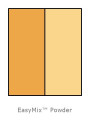
FD&C Yellow No.5 Lake EasyMix™
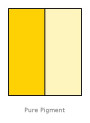
D&C Yellow No.10 Al Lake
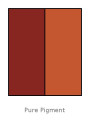
Iron Oxides Red (non-coated)