Colorants for Lip & Cheek (Staining) and Glitter Suspension in Spray
Question
How to achieve the desired stain color when using oil-based pigments (ReadyMix Red Lakes, Iron Oxides, White) in Lip & Cheek liquid/balm (W/O) products, understand why certain pigments cause specific stain colors, determine if water-soluble colors (WaterMix) are suitable for W/O formulas, and clarify the difference between WaterMix and WaterMix Bright colors; additionally, how to effectively suspend glitter in a Facial Spray and what ingredients (like anti-settling agents or film-forming polymers) are recommended for this purpose.
Answer
Colorants for Lip & Cheek (Liquid and Balm W/O)
You are using oil-based ReadyMix color dispersions, specifically ReadyMix™ D&C Red No.6 Lake, ReadyMix™ D&C Red No.28 Lake, ReadyMix™ White, ReadyMix™ Iron Oxides Black, and ReadyMix™ Iron Oxides Yellow in your liquid and balm W/O formulas.
It is common for some pigments, particularly certain D&C Red Lakes (like Red 6 and Red 28), to leave a stain on the skin or lips after the initial product wears off. The color of this stain can sometimes appear more pink or fuchsia than the original applied color, as you've observed. This is an inherent characteristic of these specific pigments.
Iron Oxides (Red, Yellow, Black) tend to stain less intensely than the Red Lake pigments and the stain color is usually closer to the pigment's original shade. When you mix Red Lakes with Iron Oxides and White (Titanium Dioxide), the initial color is a blend, but the staining effect is primarily driven by the more staining pigments present, which are the Red Lakes in your case. This is likely why you are getting a pink/magenta stain even when the initial color is a nude tone.
Switching to water-soluble colors like the WaterMix™ range (WaterMix™ Red, WaterMix™ Yellow, WaterMix™ Black, WaterMix™ Bright Red, WaterMix™ Bright Yellow) would generally not be suitable for your W/O (Water-in-Oil) liquid and balm formulas. W/O emulsions and balms are oil-continuous systems, meaning the external phase is oil. Oil-based or oil-dispersible colorants (like the ReadyMix ones you are using) are required to properly disperse and color these types of formulas. Water-soluble or water-dispersible colors are designed for water-continuous systems (O/W emulsions, gels, toners, etc.).
Regarding the difference between WaterMix™ and WaterMix™ Bright colors:
- WaterMix™ Red (Iron Oxides Red), WaterMix™ Yellow (Iron Oxides Yellow), WaterMix™ Black (Iron Oxides Black) are dispersions of natural mineral pigments (Iron Oxides) in water. Iron Oxides provide more muted, earthy tones.
- WaterMix™ Bright Red (CI 12490), WaterMix™ Bright Yellow (CI 11680) are dispersions of synthetic organic pigments (CI 12490 and CI 11680) in water. These synthetic pigments typically offer brighter, more vivid colors compared to Iron Oxides.
To achieve a stain color that is closer to your desired nude tone, you might need to adjust the ratio of the pigments in your current oil-based system. Consider reducing the proportion of the Red Lake pigments (ReadyMix™ D&C Red No.6 Lake, ReadyMix™ D&C Red No.28 Lake) which are causing the strong pink stain, and potentially increasing the proportion of Iron Oxides (ReadyMix™ Iron Oxides Black, ReadyMix™ Iron Oxides Yellow, and possibly ReadyMix™ Iron Oxides Red if you want a warmer nude stain) to shift the stain color towards a more brownish or less vibrant tone. Experimentation with pigment ratios is key to finding the right balance between the initial color and the stain color.
Glitter Suspension in Facial Spray
You are using MakeGlow™ Liquid in your facial spray to add shine. MakeGlow™ Liquid (Bismuth Oxychloride) is primarily used for providing a dewy, shiny effect and is suitable for spray formulas, but it is not specifically designed as a suspending agent for particles like glitter. Glitter, being a solid particle, will tend to settle over time in low-viscosity liquids like a spray.
To effectively suspend glitter in a facial spray, you need ingredients that can create a network or increase the yield stress of the liquid phase without making it too thick to spray or feel heavy on the skin. Based on the search results, here are some types of ingredients that could help:
- Anti-Settling Additives: Ingredients specifically designed to prevent particles from settling. BYK 410 is listed as an Anti-Settling Additive and could be a suitable option.
- Film-Forming Polymers: Certain polymers can create a light network or film that helps keep particles suspended. Allianz OPT (Acrylates/C12-22 Alkyl Methacrylate Copolymer) is a film former suitable for low-viscosity sprays that provides water and wear resistance, which might also aid in suspending glitter. Polyacrylate-21 is another water-based film former, though its primary use is for gloss and flexibility in products like mascara.
- Thickeners/Suspending Agents: While Sepimax Zen is a strong thickener, using a small amount might help create a slight gel network in the water phase to suspend glitter, but care must be taken not to make the spray too viscous. Other suspending polymers designed for low-viscosity systems might also be available.
You would need to incorporate one or a combination of these types of ingredients into your facial spray formula and test to find the optimal concentration that keeps the glitter suspended without negatively impacting the spray performance or feel.
Related Products Mentioned
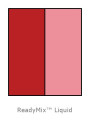
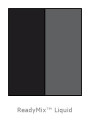
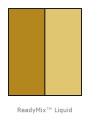
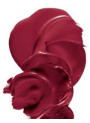
WaterMix™ Red (Iron Oxides Red)
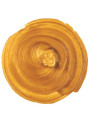
WaterMix™ Yellow (Iron Oxides Yellow)
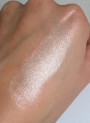

WaterMix™ Bright Yellow (CI 11680)

WaterMix™ Bright Red (CI 12490)

BYK 410 (Anti-Settling Additive)
Sepimax Zen