Colored Lip Balm Formulation: Texture and Color Payoff Issues
Question
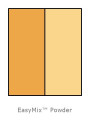
I am making a colored lip balm using ingredients like Beeswax, Shea Butter, Olive Oil, Coconut Oil, Natura Tec Plancil, Acticire, Flaxseed Oil, and Soy Lecithin. When I add colorants such as Lake EasyMix or ReadyMix, the texture does not hold or becomes too soft/oily.
How can I make the colored lip balm hold its texture better and achieve color payoff that stays on the skin well, similar to lipstick? I understand that waxes like Polyethylene Wax are suggested for better color payoff compared to Beeswax. What adjustments should I make to my formulation?
Answer
Lip Balm Formulation Issue with Color
When adding colorants like Lake EasyMix or ReadyMix to a lip balm formula, you might encounter issues with the texture not holding or the balm becoming too soft. This is a common challenge because pigments are solid particles that can disrupt the balance of waxes, butters, and oils that give the lip balm its structure.
Your formula includes ingredients such as Beeswax, Shea Butter, Olive Oil, Coconut Oil, Natura Tec Plancil, Acticire, Flaxseed Oil, Soy Lecithin, colorant, and flavor.
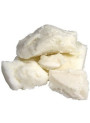
Beeswax is a natural wax that provides thickening and a smooth feel, but it is relatively soft with a melting point around 62-63°C. Product information indicates that Beeswax alone may not provide sufficient hardness for stick-type products like lipsticks and suggests combining it with harder waxes for better stability.
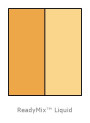
Adding pigments, even those pre-dispersed in oil like ReadyMix colors, introduces solid particles into your formula. These solids need to be properly suspended and supported by the wax matrix. If the amount or type of wax isn't sufficient to hold these particles and the liquid oils together, the formula can become unstable and fail to solidify correctly, resulting in a soft or oily texture.
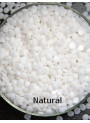
Harder waxes, such as Polyethylene Wax (with melting points around 88°C or 113°C), are often used in color cosmetics to provide structure, improve pigment dispersion, and enhance color payoff. Including a harder wax in your formula can help create a more stable matrix capable of holding the pigments and maintaining the desired texture.
The fact that using ReadyMix resulted in an even softer texture suggests that either the concentration of the colorant was too high for your base formula, or the specific carrier oil in the ReadyMix interacted negatively with your other ingredients, further disrupting the structure.
To improve the texture and stability of your colored lip balm, consider these adjustments:
- Increase the Solid Phase: You may need to increase the total percentage of waxes and butters (like Beeswax and Shea Butter) in your formula to provide more structure.
- Incorporate a Harder Wax: Adding a harder wax, such as Polyethylene Wax, to your formula can significantly improve its firmness and ability to hold pigments. You could try replacing a portion of the Beeswax with a harder wax.
- Optimize Colorant Concentration: Ensure the amount of colorant added is appropriate for the formula's solid content. High pigment loads require a more robust wax structure.
- Ensure Thorough Mixing: Even with easy-to-disperse colors, ensure they are fully and evenly mixed into the melted base before cooling to prevent settling or uneven texture.
Adjusting the balance of your solid and liquid ingredients, particularly by incorporating a harder wax, is likely the most effective way to achieve a stable, well-structured colored lip balm.