Coloring Organic/Natural Lip Balm: Lake Colors and TiO2 Alternatives
Question
I am making an organic/natural lip balm for sensitive skin and have questions about coloring:
1. Are "Lake" colors considered organic/natural and suitable for this type of formulation?
2. If I want to achieve light or pastel colors without using Titanium Dioxide (TiO2), what are suitable alternatives for an organic/natural lip balm?
Answer
Coloring Organic/Natural Lip Balm for Sensitive Skin
Regarding your questions about coloring an organic/natural lip balm:
Using "Lake" Colors: As the staff reply correctly pointed out, the term "Organic Pigment" or "Lake Color" refers to the chemical structure containing carbon, not that the color is derived from natural or organic sources in the common sense. Therefore, lake colors are generally not considered suitable for a truly organic or natural cosmetic product.
Alternatives to Titanium Dioxide (TiO2) for Lightening/Pastel Colors: Achieving a bright white or pastel shade without Titanium Dioxide in a natural/organic formula is challenging because purely plant-based colorants typically do not provide opacity. However, you can use mineral-derived ingredients which are often accepted in natural cosmetic formulations:
- Zinc Oxide: While primarily known as a UV filter and skin soother, high-purity Zinc Oxide (like the Ultra-Fine, Non-Yellow, Non-Coated, USP grade) is a white mineral pigment that can add opacity and lighten colors when used in appropriate concentrations. It can help create pastel shades when mixed with other natural colorants.
- Kaolin: Certain grades of Kaolin clay, particularly those processed for high whiteness (like Kaolin (400nm High Whiteness)), can also contribute to the whiteness and opacity of a formulation, helping to create lighter colors.
- Blending Natural Colorants: You can use natural colorants derived from plants or minerals to create various colors. To get lighter or pastel versions of these colors, you would typically use a very low concentration of the colorant or blend it with a white mineral pigment like Zinc Oxide or Kaolin.
Natural Colorant Options:
For adding color to your lip balm, consider natural colorants such as:
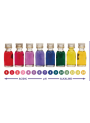
- Red Cabbage Pigment (color depends on pH)
- Cuttlefish Ink Black Powder
- Natural Water Soluble Colors from sources like Pumpkin, Strawberry, Tomato, Dragon Fruit, Spinach, or Monascus Yellow.
- Clays like Green Clay or Yellow Clay can also impart subtle color and texture.
When formulating, remember that natural colorants may behave differently than synthetic pigments and their color can sometimes be affected by the pH of your lip balm base.
To achieve pastel colors in your organic/natural lip balm, focus on using mineral-based white pigments like Zinc Oxide or high-whiteness Kaolin in combination with natural colorants at low concentrations.
Related Products Mentioned
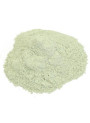
Green Clay
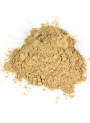
Yellow Clay
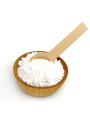
Kaolin (400nm High Whiteness)
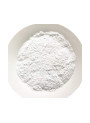
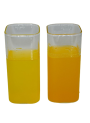
Pumpkin Natural Water Soluble Color
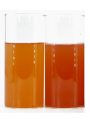
Strawberry Natural Water Soluble Color
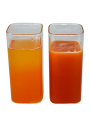
Tomato Natural Water Soluble Color