Combining Activated Resorcinol and Hyaluronic Acid in a Cream Formulation
Question
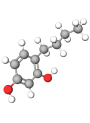
I want to create a skincare product combining Activated Resorcinol™ (4-Butyl Resorcinol) with Hyaluronic Acid (both Standard and Nano molecular weights). Since Activated Resorcinol is oil-soluble and Hyaluronic Acid is water-soluble, what is the best way to formulate these ingredients together? Please provide guidance on the following:
- What type of formulation (e.g., cream, serum, gel) is suitable for combining these?
- What are the recommended usage percentages for Activated Resorcinol™ (4-Butyl Resorcinol) and the different types of Hyaluronic Acid?
- What is the detailed mixing procedure for this type of formulation?
- Are there any specific pH requirements or stability considerations when combining these ingredients?
Answer
Formulation Guide: Activated Resorcinol with Hyaluronic Acid (Standard & Nano)
To combine Activated Resorcinol with Hyaluronic Acid (both Standard and Nano molecules) in a single product, you will need to create a cream or emulsion base. This is because Activated Resorcinol is oil-soluble, while Hyaluronic Acid is water-soluble.
Recommended Usage Rates
- Activated Resorcinol™ (4-Butyl Resorcinol): Use at a concentration of 0.1-1.0% in leave-on products like creams or gels. For wash-off products, up to 2% can be used.
- Hyaluronic Acid (Standard Molecule) & Hyaluronic Acid (Nano Molecule): The total concentration of all types of Hyaluronic Acid (Standard, Nano, etc.) is typically recommended between 0.05% and 0.5%, depending on the desired hydration level and skin type.
Mixing Method for Cream Formulation
Since Activated Resorcinol is oil-soluble and Hyaluronic Acid is water-soluble, you will follow the standard procedure for creating an emulsion (cream):
- Prepare the Water Phase: Dissolve Hyaluronic Acid powders (Standard and Nano) in the water phase. This can be done by adding the powder to water, sealing, shaking vigorously for 1-3 minutes, and then refrigerating for at least 3 hours until fully dissolved. Alternatively, use a blender at high speed (at least 1,000 rpm) and sprinkle the powder gradually while blending until dissolved. Add other water-soluble ingredients and Disodium EDTA (recommended 0.2% to help prevent discoloration of Activated Resorcinol) to this phase.
- Prepare the Oil Phase: Dissolve Activated Resorcinol in the oil phase (e.g., LipidSoft or other oils). Add your chosen Cream Maker to this oil phase and stir well.
- Combine Phases: Gradually add the water phase into the oil phase while blending or stirring continuously until an emulsion (cream) is formed.
- Add Other Ingredients: Incorporate any remaining ingredients, such as preservatives (e.g., Phenoxyethanol), thickeners/stabilizers (like Pro Polymer or AnyGel if needed for texture/stability), and antioxidants (like ActiveProtec™ OX, recommended 0.6% to help prevent discoloration).
- Adjust pH: Ensure the final pH of the cream is within the optimal range for Activated Resorcinol, which is 4.5-5.5. Also, note that Hyaluronic Acid is stable between pH 3.0-9.0 and temperatures below 70°C.
Important Considerations:
- Activated Resorcinol is light-sensitive, so the finished product should be stored in opaque packaging.
- Avoid combining Activated Resorcinol with Alpha Arbutin or AHA, as this may affect stability or efficacy.
- Consider using anti-irritants like Natural Bisabolol if using Activated Resorcinol at higher concentrations.
By following these steps, you can successfully incorporate Activated Resorcinol and both Standard and Nano Hyaluronic Acid into a stable cream formulation.