Combining Activated Resorcinol and Tranexamic Acid for Melasma
Question
Can Activated Resorcinol be used together with Tranexamic Acid?
How many days after use can results be seen in reducing melasma (if the concentration is around 1%)? Are there any recommended formulas?
Answer
Combining Activated Resorcinol and Tranexamic Acid for Melasma
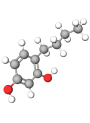
Yes, Activated Resorcinol (4-Butyl Resorcinol) and Tranexamic Acid can generally be used together in cosmetic formulations to target melasma and hyperpigmentation. Both ingredients work through different mechanisms to reduce melanin production, potentially offering enhanced results when combined.
How long to see results?
Based on studies for Activated Resorcinol, you can typically expect to start seeing results in reducing pigmentation and melasma after at least 4 weeks of consistent use, especially at a 1% concentration. However, individual results may vary depending on skin type, severity of melasma, and overall formulation.
Formulation Considerations and Example
When combining these ingredients, careful formulation is necessary to ensure stability and efficacy. Activated Resorcinol is oil-soluble and prefers a pH range of 4.5-5.5, while Tranexamic Acid is water-soluble and stable in a wider pH range (3-8).
Here is an example cream recipe using 1% Activated Resorcinol, which can be adapted to include Tranexamic Acid:
- Activated Resorcinol: 1%
- Water: 92.8%
- LipidSoft (or any oil): 5%
- Light Cream Maker: 1%
- Pro Polymer or AnyGel: 0.5% (for stability)
- Disodium EDTA: 0.2% (helps prevent discoloration of Activated Resorcinol)
- ActiveProtec™ OX: 0.6% (recommended to prevent discoloration)
Mixing Steps:
- Melt Activated Resorcinol in the oil phase (LipidSoft). Add Light Cream Maker to the oil phase and stir well.
- Add Pro Polymer or AnyGel to the water phase and blend until gel-like. Add Disodium EDTA to the water phase and blend until dissolved.
- Gradually add the water phase to the oil phase while blending or stirring well.
- Add ActiveProtec™ OX.
To incorporate Tranexamic Acid (up to 3% for cosmetic use), it should be dissolved in the water phase before combining with the oil phase. Ensure the final pH of the formula is within the optimal range for both ingredients (ideally around pH 4.5-5.5).
Consider using the encapsulated or nano versions like NanoRes™ (Liposome 4-Butyl Resorcinol) or Nano-TXA™ (Tranexamic Acid Nano Emulsion) as they are water-soluble and designed for improved stability and skin penetration, which can simplify formulation.
Remember to always use sun protection (SPF 30 or higher) daily when using whitening ingredients to prevent further pigmentation and protect your skin.
Updated Review: May 2026
This section was added after reviewing the original answer against current product availability and formulation knowledge at the stated point in time.
Update 2026-05-24
The original guidance is still broadly correct: Activated Resorcinol™ / 4-Butylresorcinol and Tranexamic Acid can be used in the same cosmetic formula if pH, solubility, stability, preservative efficacy, packaging, and irritation are checked in the finished formula.
Key current clarifications:
- Regular Activated Resorcinol™ is oil-soluble and should be dissolved in a suitable oil/solvent phase; Tranexamic Acid is water-soluble and should be added to the water phase.
- A practical starting pH overlap remains about pH 4.5–5.5, which suits 4-Butylresorcinol and is within the usable range for Tranexamic Acid.
- Around 1% may be within typical cosmetic use for 4-Butylresorcinol, while Tranexamic Acid can be used up to 3% in cosmetic brightening formulas. The final level should be chosen based on the full formula and irritation testing.
- Visible improvement in the appearance of uneven tone or dark spots may start around 4 weeks in some users, but this is not guaranteed. A more realistic evaluation period is 8–12 weeks with strict daily broad-spectrum sunscreen.
- Use cosmetic claim wording such as “helps skin tone look more even” or “helps reduce the appearance of dark spots,” not “treats/cures melasma.”
- NanoRes™ can be considered when a more water-compatible 4-Butylresorcinol option is desired. Nano-TXA™ is a ready tranexamic-acid nanoemulsion base, but it should not be combined with oils or oil-soluble ingredients unless compatibility is specifically confirmed, because this can affect the nanoemulsion structure.