Combining Actives & High SPF in Day Cream: Formulation Challenges
Question
I am trying to formulate a multi-functional day cream for combination and clog-prone skin that combines various active ingredients with high SPF (around 40+). My goal is to simplify my skincare routine. I have attempted two formulations:
Formula 1:
- Water: 45%
- SPF Protect Ultra™: 17%
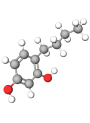
- Other ingredients (including BB Microsilk, Azelaic Acid, Vitamin B3, N-Acetyl Glucosamine, Activated Resorcinol™, Natural Betaine, Chamomile Extract, Allantoin, Repair Activator, Nano Silver, Butylene Glycol, Glycerin, Pro Polymer, preservatives, etc.)
Formula 2:
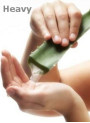
- Aloe Vera Gel (Heavy): 45.5%
- SPF Protect Ultra™: 17%
- Other ingredients (similar to Formula 1, including BB Microsilk, Azelaic Acid, Vitamin B3, N-Acetyl Glucosamine, Activated Resorcinol™, Natural Betaine, Chamomile Extract, Allantoin, Repair Activator, Nano Silver, Butylene Glycol, Glycerin, Pro Polymer, preservatives, etc.)
In both formulations, the resulting texture is too thick and feels uncomfortable on my skin. I am concerned about the feedback I received stating that the water content is less than 75%, which might affect the delivery of active ingredients. I also considered substituting Butylene Glycol with Ethoxydiglycol and using Pitera (Galactomyces Ferment Filtrate) to improve the texture and formulation.
Could you please advise on these formulations, particularly regarding the texture issue, water content, ingredient choices, and potential adjustments?
Answer
Yes, it is possible to add sunscreen ingredients to your day cream formulation to create a combined product and simplify your routine. This is a common approach, but as the feedback you received highlights, it comes with formulation challenges, primarily regarding texture and skin feel, especially when incorporating multiple active ingredients.
Here's a breakdown of your proposed formulas and the considerations based on the ingredients and feedback:
General Considerations for Combining Actives and SPF:
- Texture and Skin Feel: Sunscreen filters, especially at higher concentrations needed for SPF 40, can significantly impact the texture, often making the product feel heavier or stickier. Adding multiple active ingredients further increases the total solid or semi-solid content, potentially exacerbating this issue. For combination and clog-prone skin, a lighter, non-greasy texture is usually preferred.
- Ingredient Compatibility and Stability: Ensure all ingredients are compatible within the same formula and remain stable over time. The descriptions for ingredients like Activated Resorcinol™ mention sensitivity to light and pH, and suggest using Disodium EDTA for stability. SPF filters also need stable formulations to maintain their efficacy.
- Water Content: The feedback you received about water content being less than 75% is relevant. Sufficient water or a water-like base is crucial for dissolving many water-soluble actives and ensuring good spreadability and absorption, contributing to a lighter feel. Ingredients like Butylene Glycol, Glycerin, and Ethoxydiglycol act as solvents and humectants, helping with this, but they also add to the overall concentration of ingredients.
- Efficacy: While combining products is convenient, ensure that the concentration of each active ingredient and the SPF level are sufficient for the desired effects. The inclusion of many actives at moderate percentages in a formula also containing a high percentage of sunscreen requires careful balancing.
Analysis of Your Proposed Formulas:
Both of your formulas contain a robust mix of active ingredients targeting various concerns like whitening (SPF Protect Ultra™, BB Microsilk, Azelaic Acid, Vitamin B3, N-Acetyl Glucosamine, Activated Resorcinol™), soothing/moisturizing (Vitamin B3, Natural Betaine, Chamomile, Allantoin, Aloe Vera Gel), barrier repair (Vitamin B3, Repair Activator), and potentially anti-acne (Azelaic Acid, Vitamin B3, Nano Silver).
- Formula 1 (Water-based start): Starts with Water at 45%. This is a relatively lower water percentage when aiming for a light texture, especially with 17% SPF Protect Ultra™ and other powders/liquids.
- Formula 2 (Aloe base heavy start): Starts with Aloe Vera Gel (Heavy) at 45.5%. This base already contains Water, Aloe Vera Extract, Vitamin B5, Pro Polymer, Allantoin, and a preservative. While it provides a good base with some actives, it also contributes to the total non-water content from the start.
In both formulas, the total percentage of ingredients other than water (or the base) is quite high (around 55% in Formula 1 and around 54.5% in Formula 2, excluding the water content within the Aloe Vera Gel base). This high concentration of various ingredients, including 17% SPF Protect Ultra™, is likely the reason for potential thickness or a less comfortable skin feel, as noted in the feedback.
Addressing the Feedback:
- Water Content: The concern about water being less than 75% affecting the delivery of actives is valid in the sense that a higher "active load" in a lower water phase can impact the texture and how easily the product spreads and absorbs. However, the presence of solvents/carriers like Butylene Glycol and Ethoxydiglycol can help with dissolving and delivering actives even with lower water content.
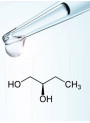
- Butylene Glycol vs. Ethoxydiglycol: As mentioned in the feedback, Ethoxydiglycol is generally considered lighter in feel than Butylene Glycol and can be a more effective carrier for some ingredients. Substituting Butylene Glycol with Ethoxydiglycol might improve the texture and potentially the delivery of actives, but it is also typically more expensive. The maximum allowed usage rate for Ethoxydiglycol in leave-on products is currently 2.6%.
- Pitera as a Water Substitute: Using Galactomyces Ferment Filtrate (Pitera) as part of the water phase is a good suggestion for adding beneficial properties while keeping the formula relatively light.
Recommendations and Adjustments:
- Prioritize and Adjust Concentrations: With combination and clog-prone skin, a lighter texture is key. Consider slightly reducing the percentage of some ingredients, especially those that contribute most to thickness or potential heaviness, while maintaining effective concentrations of your most desired actives (e.g., Vitamin B3, Azelaic Acid, Activated Resorcinol™).
- Optimize the Base: If using the Aloe Vera Gel (Heavy) base, understand its composition (including its water content and existing thickener/actives) when calculating your total percentages. You might need to adjust the amount of additional water or other base ingredients.
- Consider SPF Concentration: 17% SPF Protect Ultra™ is a significant amount and will contribute substantially to the texture. Ensure this concentration is necessary for your desired SPF level (SPF Protect Ultra™ II at 15% is stated to provide SPF50). Using the minimum effective concentration for your target SPF can help with texture.
- Evaluate Thickener (Pro Polymer): Pro Polymer is a gel maker. The amount used will directly impact the viscosity. If the texture is too thick, the Pro Polymer percentage might need to be reduced, or a different thickener that provides a lighter feel could be explored.
- Experiment with Solvents/Carriers: If texture is a major concern, experimenting with replacing Butylene Glycol with Ethoxydiglycol at the appropriate usage rate could be beneficial for both feel and active delivery.
- Incorporate Pitera: Replacing some of the water phase with Galactomyces Ferment Filtrate (Pitera) can add skin benefits while keeping the formula relatively light.
- Mixing Method: Follow the recommended mixing instructions for each ingredient, especially for SPF Protect Ultra™ (requires warming) and Pro Polymer (needs careful dispersion to avoid clumps). Ensure Activated Resorcinol™ is properly dissolved in the oil phase and the pH is within the recommended range (4.5-5.5) with Disodium EDTA for stability.
Creating a single product with high SPF and multiple actives requires careful formulation to balance efficacy, stability, and desirable skin feel, especially for your skin type. You may need to experiment with the percentages and types of ingredients to achieve the best result.
Related Products Mentioned
Safe-B3™ (Vitamin B3, Niacinamide)

Natural Bisabolol (Brazil Chamomile)
GlucoBright™ (Acetyl Glucosamine)
Ethoxydiglycol (e.q. Transcutol)
Glycerin (USP/Food Grade)
Natural Betaine (Crystal)
Disodium EDTA
Aloe Vera Gel (Heavy)
Pro Polymer™ (Gel Maker)
BB Micro Silk™
Butylene Glycol
Nano Silver 20nm Powder
SPF Protect Ultra™ II