Combining Azelaic Acid, Tranexamic Acid, and Activated Resorcinol in Melasma Cream: Usage & Irritation
Question
What are the potential issues and recommended usage percentages when combining Azelaic Acid (Liquid Azelaic™) and Tranexamic Acid (Trans-White™), which have maximum recommended usage rates of up to 10% and 3% respectively, along with Activated Resorcinol (4-Butyl Resorcinol) in a single melasma cream formulation?
Specifically, how should concentrations be adjusted to minimize skin irritation when using two or all three ingredients together?
Answer
Ingredients for Melasma Cream: Combining Azelaic Acid, Tranexamic Acid, and Activated Resorcinol
Combining Azelaic Acid, Tranexamic Acid, and Activated Resorcinol all three in a single melasma cream formulation can be too strong and may cause skin irritation for some individuals. This is because all three ingredients are potent actives targeting skin pigmentation and have the potential for irritation, especially when used at higher concentrations or in combination.
As the staff previously advised, it is generally recommended to start with a formulation containing only one of these active ingredients. If you choose to combine them, you must significantly reduce the concentration of each ingredient compared to their maximum recommended usage rates when used alone. For instance, if the maximum recommended usage is 3%, you might consider using only 1-1.5% when combining with other strong actives, and even lower if combining three.
Each ingredient works through different mechanisms to help with melasma:
- Azelaic Acid (Liquid Azelaic™): This form is water-soluble and designed to be gentler. It helps brighten skin, reduce dark spots, control oiliness, and can help with acne.
- Tranexamic Acid (Trans-White™): This ingredient is effective at reducing melanin pigment formation and is particularly suitable for melasma caused by sun exposure.
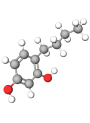
- Activated Resorcinol (4-Butyl Resorcinol): This works by inhibiting the enzyme (Tyrosinase) responsible for pigment production and also helps prevent pigment transfer in the skin. It is a very effective brightener but also has a higher potential for irritation if used at high concentrations (above 1% for leave-on products).
Given the potential for irritation, especially when combining multiple potent actives, it is crucial to proceed with caution. You could start by formulating with just one ingredient at its recommended concentration. If you decide to combine two or three, use significantly lower concentrations than recommended for single use and perform a patch test on a small area of skin before applying it to your face.
Related Products Mentioned