Combining Copper Peptide and ActiveRelease Retinal, and EDTA compatibility
Question
Regarding raw materials:
- Can Copper (which helps reduce red marks, dark marks, and acne scars) be mixed with
ActiveRelease Retinal? The purpose is to treat inflammatory acne while also reducing red/dark marks from acne. Or do you have any better alternatives to recommend? - If mixing
ActiveRelease Retinal, is it okay not to includeEDTA? I am concerned it might chelate the copper ions.
Answer
Combining Copper Peptide and ActiveRelease Retinal for Acne and Scars
Here is information regarding your questions about combining Copper Peptide and ActiveRelease Retinal, and the use of EDTA.
1. Combining Copper Peptide and ActiveRelease Retinal
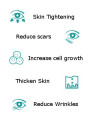
- Copper Peptide (such as Copper Peptide (GHK-Cu, Copper Tripeptide-1) and Copper Tripeptide 10x) is known for its ability to help reduce red and dark marks, improve acne scars, and promote skin healing. It has anti-inflammatory properties which can be beneficial for post-acne concerns.
- ActiveRelease Retinal (such as Retinal-EZ™) is a form of Vitamin A (Retinaldehyde) effective for treating acne by promoting skin cell turnover and preventing clogged pores. It also helps improve skin texture and reduce wrinkles.
Combining potent actives like Copper Peptide and Retinal can potentially increase the risk of skin irritation, especially on skin with active inflammatory acne. While both ingredients can address aspects of your concerns (Retinal for acne, Copper Peptide for marks/scars), using them together in the same formula might be too aggressive for some skin types.
Furthermore, Copper Peptide is sensitive to chelating agents like EDTA. The product descriptions for Copper Peptide explicitly state that EDTA should not be included in the formula as it will bind the copper and reduce the peptide's effectiveness.
For treating inflammatory acne along with red/dark marks and scars, a multi-ingredient approach is often effective. Consider ingredients known for both acne treatment and mark reduction, or use different actives at different times of day or in separate formulas. Alternatives or complementary ingredients could include:
- Salicylic Acid: Helps exfoliate pores and reduce inflammation.
- Niacinamide: Can help reduce inflammation, redness, and improve skin barrier function, also beneficial for dark spots.
- Azelaic Acid: Effective for both acne and post-inflammatory hyperpigmentation.
It is recommended to introduce new actives gradually and observe your skin's reaction.
2. Using EDTA with ActiveRelease Retinal
EDTA (such as Disodium EDTA) is a chelating agent commonly used in cosmetic formulations to bind metal ions in water. This helps improve the stability and shelf-life of the product, particularly for ingredients sensitive to metal contamination.
As mentioned above, EDTA should be avoided in formulas containing Copper Peptide because it will chelate with the copper ions and reduce the Copper Peptide's efficacy.
If you are using ActiveRelease Retinal alone (without Copper Peptide), EDTA is not strictly necessary for the Retinal itself based on its description, but it can be included in the formula for general stability if needed, especially if your water source is not distilled. However, if you are combining Retinal with Copper Peptide, you must omit EDTA to preserve the Copper Peptide's activity.
Related Products Mentioned