Combining DMAE, Vitamin C, and Glutathione: Compatibility and pH
Question
DMAE is acidic. Can it be combined with Vitamin C and Glutathione in a formulation? Is pH adjustment necessary?
Answer
Combining DMAE, Vitamin C, and Glutathione in Formulations
Yes, it is possible to combine DMAE, Vitamin C, and Glutathione in a cosmetic formulation, but careful consideration of the specific type of Vitamin C and the final pH of the product is essential for stability and efficacy.
Here's a breakdown of the compatibility and pH requirements:
- DMAE (SkinTight MD™ Liquid): This form of DMAE is pH adjusted and designed to be easily incorporated into formulations. Its compatibility across different pH ranges needs to be considered alongside the other ingredients.
- Glutathione (L-Glutathione Reduced): Glutathione is most stable in a pH range of 3-6. Higher temperatures (above 40°C) should be avoided during mixing.
- Vitamin C: The optimal pH range depends heavily on the specific type of Vitamin C used:
- L-Ascorbic Acid: Requires a low pH of 2.0-4.0 for stability (FDA requires at least 3.5 for cosmetics). It is less stable in water.
- Sodium Ascorbyl Phosphate (SAP): Is alkaline and requires a pH range of 7-9 for stability.
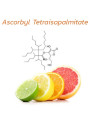
- Ascorbyl Tetraisopalmitate (Perfect-C™): Is oil-soluble and stable in formulations with a pH within 6.0.
Compatibility and pH Adjustment:
- Combining L-Ascorbic Acid and Glutathione is challenging. While their optimal pH ranges (2-4 for L-AA, 3-6 for Glutathione) have a narrow overlap (3-4), L-Ascorbic Acid is inherently unstable. Maintaining stability for both simultaneously can be difficult.
- Combining Sodium Ascorbyl Phosphate (SAP) and Glutathione is generally not recommended because SAP requires an alkaline pH (7-9), which is outside Glutathione's optimal stability range (3-6).
- Combining oil-soluble Vitamin C like Ascorbyl Tetraisopalmitate with Glutathione is more feasible. Ascorbyl Tetraisopalmitate is stable up to pH 6.0, which overlaps well with Glutathione's optimal range of 3-6. A formulation pH within the 3-6 range would be suitable.
Therefore, you will need to adjust the pH of your formulation. The target pH should be chosen to best suit the specific type of Vitamin C you are using while also falling within the optimal range for Glutathione (pH 3-6). A pH between 3 and 4 would be ideal if using L-Ascorbic Acid, but an oil-soluble Vitamin C combined with a pH between 3 and 6 is likely a more stable approach.
Keep in mind that DMAE at higher concentrations (above 5%) can potentially cause skin irritation, especially on sensitive skin.
Related Products Mentioned
Vitamin C (L-ascorbic acid) (Fine)
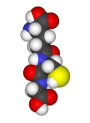
Glutathione (L-Glutathione) (Extrasol)

DMAE (SkinTight MD™) Liquid