Combining EGF and PDRN with Sponge Spicules for Enhanced Penetration
Question
Could this be combined with PDRN lypholisised Powder as a spicule treatment serum?
I know that there's evidence of efficacy of topical EGF, but as a matter of fact the molecular weight is very high, so a monthly or biweekly treatment with spongilla spicules to enhance penetration might be a good idea, but I am not sure due to the fragility of growth factors. And could that be incorporated with PDRN together?
Please take your time to answer, I know you are very busy and thank you in advance for your sharing your knowledge freely, I learned so much from the archived answers on this website!
Answer
Product Status & Classification
Regarding the ingredients you mentioned:
- EGF: Found in our catalog as Epidermal Growth Factor (EGF, Recombinant).
- Spongilla spicules: The closest active match in our catalog is Microneedle Sponge (Sponge Extract).
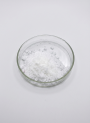
- PDRN lyophilized powder: Not found in this exact form. We recommend Salmon DNA (PDRN, Polydeoxyribonucleotide, 95% Micronized Flake) or the 5000ppm Solution as high-purity replacements.
Combining EGF, PDRN, and Spicules
Combining Epidermal Growth Factor (EGF) with Salmon DNA (PDRN) in a spicule-based serum is an excellent strategy for advanced skin rejuvenation. Your observation regarding molecular weight is correct; EGF is a large protein that typically struggles to penetrate the stratum corneum.
1. Enhanced Penetration via Spicules
Microneedle Sponge (Sponge Extract) acts as a "natural microneedling" agent. By creating microscopic channels in the skin, they bypass the primary barrier, allowing high-molecular-weight actives like EGF and PDRN to reach deeper layers where they can effectively stimulate cellular repair and collagen production.
2. Stability and Fragility of EGF
Growth factors are indeed fragile. To maintain the efficacy of Epidermal Growth Factor (EGF, Recombinant) in this combination:
- Temperature: Always add EGF at the final step of mixing. The temperature must be below 40°C (ideally 25°C).
- pH Balance: EGF is most stable at a pH of 3.5–6.5. However, since spicules increase skin sensitivity, aim for a pH around 5.0–5.5 to balance stability with skin comfort.
- Avoid High Shear: Do not use high-speed homogenizers after adding EGF; gentle stirring is preferred to avoid denaturing the protein.
3. Incorporating PDRN
Salmon DNA (PDRN) is highly compatible with EGF.
- If using the 95% Micronized Flake, it requires specialized mixing (high pressure or specific tools) to fully disperse in water.
- If using the 5000ppm Solution, it can be easily blended into the water phase.
- Like EGF, PDRN should not be subjected to high heat.
Formulation Tips for a Spicule Serum
- Base: Use a simple water-based gel or serum. Avoid heavy oils that might interfere with the spicules' "prickly" action.
- Mixing Order:
- Prepare your base (water + thickener).
- Incorporate the Microneedle Sponge (Sponge Extract).
- Add Salmon DNA (PDRN).
- Add Epidermal Growth Factor (EGF) last at room temperature.
- Usage: Because this treatment enhances penetration significantly, ensure your formula is free from potential irritants like strong fragrances or harsh preservatives.
Recommended Usage Rates
- Epidermal Growth Factor (EGF): 1-5% (3% recommended).
- Salmon DNA (PDRN): 0.3-0.8% for flakes, or as desired for the solution.
- Microneedle Sponge (Sponge Extract): 1-5% depending on the desired intensity of the "peel" effect.