Combining Ingredients for Acne, Scars, Melasma, and Brightening
Question
How can I formulate a single product or skincare routine using Niacinamide, Salicylic Acid (BHA), various forms of Vitamin C (such as L-Ascorbic Acid, Ethyl Ascorbic Acid, Ascorbyl Glucoside, Sodium Ascorbyl Phosphate, Ascorbyl Propyl Hyaluronate), and Alpha Arbutin to address multiple skin concerns including acne, acne scars, melasma, and overall skin brightening? Is it feasible to combine all these ingredients into one DIY formulation, or are there alternative approaches recommended?
Answer
Addressing Acne, Acne Scars, Melasma, and Skin Brightening
Hello. I understand your concerns regarding acne, acne scars, melasma, and your desire for brighter skin. Addressing these multiple issues simultaneously requires a combination of active ingredients.
Key ingredients commonly used and supported by research for managing these concerns include:
- Niacinamide (Vitamin B3): Helps reduce acne inflammation, minimize red and dark marks from acne, strengthen the skin barrier, control facial oiliness, and contribute to skin brightening. Various grades are available, such as Safe-B3™ or Extreme-B3™, which offer high purity and reduce the likelihood of flushing or redness. It is typically used at concentrations of 1-10%, with 5% being a common recommendation. It is highly water-soluble and stable across a wide pH range (3-8).
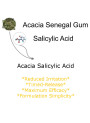
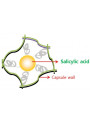
- Salicylic Acid (BHA): A BHA that helps exfoliate dead skin cells within pores, reducing blockages that lead to acne. It helps dissolve clogged pores and has mild antiseptic properties. Standard Salicylic Acid powder is not water-soluble and requires a suitable solvent, but water-soluble forms like Complex Salicylic Acid, ActiveRelease™ Salicylic Acid, Acacia Salicylic Acid, or Liquid Salicylic Acid are also available. The maximum allowed usage rate for leave-on products is 2% according to FDA regulations.
- Vitamin C: A potent antioxidant that stimulates collagen production, helps fade acne scars, inhibits melanin synthesis, reduces melasma, dark spots, and brightens the complexion. Various forms exist, including L-Ascorbic Acid, which is highly effective but unstable in water and requires a very low pH (2.0-4.0) for stability and efficacy. More stable and easier-to-formulate derivatives include Ethyl Ascorbic Acid, Ascorbyl Glucoside (AA-2G), Sodium Ascorbyl Phosphate (SAP), or Ascorbyl Propyl Hyaluronate (Vitamin C Hyaluron). Each form has different properties, solubility, and optimal pH ranges. Usage rates vary depending on the specific form and desired effect, but L-Ascorbic Acid is often used at 10-15% for brightening.
- Alpha Arbutin: Directly inhibits melanin production, making it effective for reducing melasma, dark spots, and promoting skin brightening. It is typically used at 0.2-2% (2% recommended for maximum effect), is water-soluble, and should be used in formulations with a pH between 3.5-6.5 to prevent breakdown into Hydroquinone.
DIY Formulation:
Combining multiple active ingredients into a single formula requires significant knowledge and experience in cosmetic chemistry, as well as appropriate equipment. Each ingredient has distinct properties, solubility, stability requirements, and optimal pH ranges. Incorrect formulation can lead to ingredient degradation, lack of efficacy, or skin irritation.
Therefore, providing a precise DIY formula with specific quantities (percentage/ml) in this context is challenging and potentially unsafe for those without formulation expertise.
Recommendations:
- Start with Finished Products: If you are new to DIY skincare, consider using commercially available products containing these ingredients at appropriate concentrations first to see how your skin responds.
- Simple DIY or Single Ingredients: If you wish to try DIY, start with simple formulations or use single active ingredients that are easy to incorporate.
- Consult Reliable Sources: If you want to create more complex formulations, thoroughly research DIY recipes from highly reputable sources that provide detailed instructions, tested ratios, and necessary precautions.
- Consider Layering Products: You might find it more effective and safer to use different products containing these key ingredients in your skincare routine. For example, use a Salicylic Acid product for acne, followed by a Niacinamide or Vitamin C serum for scars and brightening, and a cream with Alpha Arbutin for melasma and overall skin tone. Layering can help avoid compatibility issues that might arise in a single complex formula.
Ingredients like Safe-B3™, Extreme-B3™, various forms of Salicylic Acid (BHA) (e.g., Complex Salicylic Acid, ActiveRelease™ Salicylic Acid, Acacia Salicylic Acid, Liquid Salicylic Acid), various forms of Vitamin C (e.g., L-Ascorbic Acid, Ethyl Ascorbic Acid, Ascorbyl Glucoside, Sodium Ascorbyl Phosphate, Ascorbyl Propyl Hyaluronate) and Alpha Arbutin are effective ingredients for addressing your skin concerns.
Related Products Mentioned
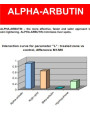
Alpha Arbutin (Switzerland)
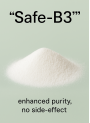
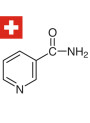
Safe-B3™ (Vitamin B3, Niacinamide)
Vitamin C (L-ascorbic acid) (Ultra-Fine)
Vitamin C (L-ascorbic acid) (Fine)
Salicylic Acid (BHA, Pharma Grade)
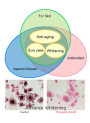
Vitamin C (L-ascorbic acid) (Standard)
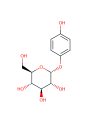
Alpha Arbutin (China, Crystal Form)