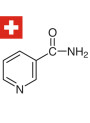
Combining Niacinamide with Rosehip Oil (Natural Vitamin C/A)
Question
Given the common understanding that Niacinamide should not be combined with Vitamin C or Retinol in formulations, can Niacinamide be used with Rosehip oil, which naturally contains Vitamin C and Vitamin A? Will this combination negatively affect the results?
Answer
Combining Niacinamide with Rosehip Oil
It is a common concern whether Niacinamide can be used in the same formulation as ingredients containing Vitamin C and Vitamin A, such as Rosehip oil. While there are considerations when mixing Niacinamide with high concentrations of synthetic L-Ascorbic Acid (Vitamin C) or synthetic Retinol (Vitamin A), the situation is different when using natural oils like Rosehip oil.
Rosehip oil naturally contains forms of Vitamin C (primarily Ascorbic Acid) and Vitamin A (mainly in the form of carotenoids like beta-carotene, which the skin can convert to Retinoic Acid, and possibly some retinoic acid esters). These natural forms are typically present at lower concentrations and are delivered within the oil matrix, which affects their interaction compared to synthetic, water-soluble forms.
- Vitamin C in Rosehip Oil vs. Synthetic L-Ascorbic Acid: The concern with mixing Niacinamide and synthetic L-Ascorbic Acid is often related to the low pH required for L-Ascorbic Acid stability and efficacy, which can potentially convert Niacinamide to Niacin (Nicotinic Acid), leading to flushing or redness. Rosehip oil is an oil and does not create a low pH environment in the same way a water-based L-Ascorbic Acid serum does. The natural Vitamin C in the oil is less likely to cause this pH-dependent conversion issue.
- Vitamin A in Rosehip Oil vs. Synthetic Retinol: The Vitamin A activity in Rosehip oil comes from carotenoids and retinoic acid esters, which are generally milder and less potent than synthetic Retinol. While some caution is advised when combining potent actives, Niacinamide is known for its skin barrier strengthening and anti-inflammatory properties, which can actually help improve tolerance to Vitamin A derivatives. Combining them in a formulation using Rosehip oil is generally well-tolerated.
Therefore, you can generally use Niacinamide and Rosehip oil together in a formulation. The natural vitamins in Rosehip oil are less likely to cause the incompatibility issues seen with high concentrations of synthetic Vitamin C (L-Ascorbic Acid) at low pH or potent synthetic Retinol. Combining these ingredients can offer benefits like improved skin barrier function, reduced inflammation, hydration from the oil, and the regenerative properties of Rosehip oil.
As always, when creating a new formulation, it is recommended to test a small batch for stability and skin feel.
Related Products Mentioned
Safe-B3™ (Vitamin B3, Niacinamide)

Rosehip Oil (Virgin, Fresh)