Combining Phenylethyl Resorcinol with Actives for Brightening and Acne in Cream
Question
Regarding Phenylethyl Resorcinol (Sym White), is it the best whitening ingredient? How can it be combined with other active ingredients in a cream formulation, particularly for addressing acne inflammation and enhancing skin brightening? What are suitable compatible actives for these purposes, considering factors like solubility, mixing methods, and pH requirements?
Answer
Combining Sym White (Phenylethyl Resorcinol) with Other Actives
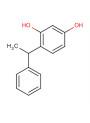
Regarding whether Sym White (Phenylethyl Resorcinol) is the "best" whitening ingredient, as the staff mentioned, no single ingredient is universally the best. Effectiveness can vary greatly depending on individual skin type and concerns. However, Phenylethyl Resorcinol is considered a highly effective and safe option for skin brightening and reducing hyperpigmentation.
It works by inhibiting tyrosinase, a key enzyme in melanin production, and also offers antioxidant benefits.
Combining with Anti-Inflammatory Actives for Acne
When formulating a cream containing Phenylethyl Resorcinol and aiming to address acne inflammation, several actives can be considered. Phenylethyl Resorcinol itself is generally compatible with many ingredients, but the overall formula pH is crucial (ideally pH 4-5 for Phenylethyl Resorcinol stability).
Compatible anti-inflammatory and acne-fighting ingredients include:
- Niacinamide (Vitamin B3): Known for reducing oiliness, strengthening the skin barrier, and having anti-inflammatory properties. It is compatible with Phenylethyl Resorcinol and works well in cream formulations.
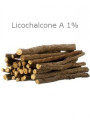
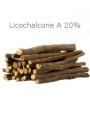
- Licorice Extract (Licochalcone A): This extract is effective in reducing skin inflammation, redness, and irritation associated with acne. It is water-soluble and can be incorporated into cream formulas with a suitable pH.
- QD-365 Anti-Acne Complex: This complex offers multiple benefits including reducing inflammation, inhibiting acne-causing bacteria, and helping with acne scars. It is water-soluble and can be added in the final step of formulation, which aligns with Phenylethyl Resorcinol's mixing method.
- ActiveRelease Salicylic Acid: A form of Salicylic Acid that is water-soluble and helps dissolve clogged pores and has anti-inflammatory effects. It can be used in formulas with appropriate pH.
- Actin AC: An oil-soluble complex with strong anti-inflammatory and sebum-regulating properties. It can be incorporated into the oil phase of a cream, but careful formulation is needed to ensure compatibility with other ingredients and the overall pH.
For severe acne inflammation, topical medication like Clindamycin (as mentioned by the staff) should be considered in consultation with a medical professional.
Combining with Other Whitening Actives
Phenylethyl Resorcinol can be effectively combined with other whitening actives to enhance overall brightening results. Compatible options include:
- Niacinamide (Vitamin B3): As mentioned above, Niacinamide is compatible and provides complementary whitening benefits by reducing pigment transfer.
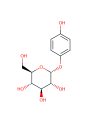
- Alpha Arbutin: This is another popular tyrosinase inhibitor that works well in the pH range compatible with Phenylethyl Resorcinol (pH 3.5-6.5). Combining these can offer a multi-pronged approach to inhibiting melanin production.
- Kojic Acid / Kojic Acid Dipalmitate: Phenylethyl Resorcinol is compatible with Kojic Acid. Kojic Acid Dipalmitate is a more stable, oil-soluble derivative often used in creams and is compatible with Alpha Arbutin, suggesting potential compatibility in combined formulations.
Some forms of Vitamin C (like Perfect-C and Ethyl Ascorbic Acid) have known incompatibilities with Niacinamide. Since Niacinamide is compatible with Phenylethyl Resorcinol, combining all three might be challenging. Sodium Ascorbyl Phosphate (SAP) requires a higher pH range (7-9) than is optimal for Phenylethyl Resorcinol (4-5), making direct combination difficult in a single formula.
When combining multiple actives, always pay close attention to the recommended usage rates, solubility, mixing methods, and pH requirements for each ingredient to ensure stability and efficacy in the final cream formulation.
Related Products Mentioned
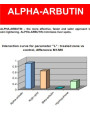
Alpha Arbutin (Switzerland)
Safe-B3™ (Vitamin B3, Niacinamide)
Kojic Acid Dipalmitate
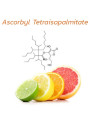
Alpha Arbutin (China, Crystal Form)
Kojic Acid
QD-365 Anti-Acne Complex