Combining Salicylic Acid, Lactic Acid, and Retinol: Risks and Usage
Question
I am using a 2% Salicylic Acid formula and want to add Lactic Acid at 10%. Is it safe to combine them? Also, I'm interested in adding Retinol, similar to a commercial product containing Salicylic Acid, Lactic Acid, and Retinol. How should I layer these products (Salicylic Acid/Lactic Acid with Alpha Arbutin) and how often can I use them daily? What are the risks of combining these ingredients?
Answer
Combining Salicylic Acid and Lactic Acid
Based on the team's advice, adding Lactic Acid at a high concentration (like 10%) to your existing 2% Salicylic Acid formula is generally not recommended. While both Salicylic Acid and Lactic Acid are exfoliants, they work differently:
- Salicylic Acid (BHA): Primarily works within the pores to dissolve oil and debris, making it excellent for treating clogged pores and acne. It helps shed dead skin cells from the surface and inside the pores.
- Lactic Acid (AHA): Works on the skin's surface to exfoliate dead skin cells and also has moisturizing properties. It helps improve skin texture and can contribute to a brighter complexion.
Combining high concentrations of both in a single formula can increase the risk of irritation, redness, and peeling, as you are using two strong exfoliants simultaneously. The team suggests that for addressing clogged pores, Salicylic Acid alone is often sufficient, and you can adjust its concentration based on your skin's tolerance.
If you wish to incorporate Lactic Acid for its surface exfoliation and moisturizing benefits, it might be better to use it in a separate product or at a different time of day (e.g., Salicylic Acid in the morning, Lactic Acid in the evening), depending on your skin's tolerance. Another option is to add Lactic Acid at a lower concentration to a subsequent moisturizing product.
Layering with Alpha Arbutin and Frequency of Use
If you apply an exfoliant like Salicylic Acid or Lactic Acid, it's recommended to wait about 15-30 minutes before applying subsequent products like an Alpha Arbutin gel. This allows the exfoliant to work effectively at its intended pH before you introduce another product that might alter the pH or interfere with its action.
Regarding daily use, this depends entirely on your skin's tolerance. Some people can tolerate daily use of exfoliants, while others may need to use them less frequently (e.g., every other day, or only in the morning or evening). Pay close attention to how your skin responds. Signs of over-exfoliation include persistent redness, peeling, sensitivity, or a feeling of tightness.
Adding Retinol
The Dermalogica formula you mentioned contains Salicylic Acid, Lactic Acid, and Retinol. While commercial products sometimes combine multiple actives, they are typically formulated carefully to minimize irritation, often using lower concentrations or specific delivery systems. Adding Retinol (which is also a potent exfoliant and has anti-aging benefits) to a formula already containing Salicylic Acid and potentially Lactic Acid is likely to be too harsh for the skin and can lead to significant irritation, dryness, and sensitivity.
Retinol primarily works by promoting skin cell turnover, which helps with fine lines, wrinkles, uneven skin tone, and acne. However, combining it with other strong exfoliants like AHAs and BHAs can overwhelm the skin. The team advises choosing actives based on your primary skin concerns and avoiding the simultaneous use of too many strong exfoliating ingredients.
If you are interested in the benefits of Retinol, it's generally best to use it as a separate step in your routine and introduce it gradually, especially if you are already using other exfoliants. You might consider alternating nights between your Salicylic Acid product and a Retinol product, or using one in the morning and the other in the evening, provided your skin can tolerate it.
Important Note
Always remember to use adequate sun protection daily, especially when using exfoliating acids and retinoids, as they can make your skin more sensitive to the sun.
Related Products Mentioned
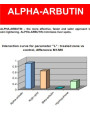
Alpha Arbutin (Switzerland)
Salicylic Acid (BHA, Pharma Grade)