Combining Vitamin B3, AHA, BHA, and Allantoin in Formulation
Question
What are the considerations and challenges when combining the following ingredients in a single formulation:
- Vitamin B3
- BHA
- AHA
- Allantoin
Specifically, what are the compatibility issues, optimal working conditions (like pH), and formulation strategies for these ingredients?
Answer
Combining Vitamin B3, AHA, BHA, and Allantoin
Combining Vitamin B3 (Niacinamide), AHA, BHA, and Allantoin in a single formulation requires careful consideration due to the different properties and optimal working conditions of each ingredient.
Here's a breakdown of each ingredient and how they interact:
- Vitamin B3 (Niacinamide): This is a versatile ingredient known for reducing wrinkles, improving hyperpigmentation, strengthening the skin barrier, boosting hydration, and controlling oiliness. Products like Safe-B3™ (Vitamin B3, Niacinamide) are highly pure and can be used at concentrations up to 10%. Niacinamide is generally stable over a pH range of 3-8, with an optimal range of 4.0-7.0 to prevent conversion to Niacin, which can cause flushing.
- AHA (Alpha Hydroxy Acid): AHAs like Glycolic Acid and Lactic Acid are primarily used for exfoliation, helping to remove dead skin cells and improve skin texture and tone. AHAs are most effective at lower pH levels, typically between 3 and 4.
- BHA (Beta Hydroxy Acid): Salicylic Acid is a common BHA, known for its ability to exfoliate within pores, making it effective for treating acne and blackheads. Products like Salicylic Acid (BHA) are often in powder form and require specific solvents like Propylene Glycol or alcohol to dissolve. BHA also works best at lower pH levels, similar to AHAs.
- Allantoin: This ingredient is well-regarded for its soothing and anti-irritating properties. It helps to reduce redness and promote skin healing, making it beneficial when using potentially irritating actives. Allantoin is soluble in water and stable over a wide pH range of 3-8.
Challenges in Combining:
The primary challenge in combining AHAs/BHAs with Niacinamide in a single product is the difference in their optimal pH ranges.
- AHAs and BHAs require a low pH (3-4) for effective exfoliation.
- Niacinamide is best formulated at a slightly higher pH (4-7) to avoid converting to Niacin, which can cause skin flushing and irritation.
Formulating at the low pH required for AHA/BHA efficacy can lead to the breakdown of Niacinamide, potentially causing irritation and reducing its benefits. Conversely, formulating at a higher pH suitable for Niacinamide can significantly reduce the exfoliating power of AHAs/BHAs.
Formulation Strategies:
Due to the pH incompatibility, it is often recommended to use these ingredients in separate products applied at different times of the day or on alternate days. For example:
- Use an AHA/BHA product in the evening.
- Use a Niacinamide product in the morning.
If attempting to formulate a single product containing both, careful pH adjustment is critical. A compromise pH around 4.5-5.5 might be considered, but this could reduce the effectiveness of the exfoliants while still potentially causing some Niacinamide conversion. Extensive testing is needed to ensure stability and efficacy.
Allantoin is a valuable addition to formulations containing AHAs, BHAs, and Niacinamide. Its soothing properties can help to mitigate potential irritation caused by these active ingredients. Since Allantoin is stable over a broad pH range, it can be beneficially included in formulations with varying pH levels.
In summary, while it is possible to include all these ingredients in a routine, combining effective concentrations of AHAs/BHAs and Niacinamide in a single stable and non-irritating product is challenging due to pH differences. Using separate products or carefully formulating with pH in mind are key considerations. Allantoin can be beneficially included to enhance skin comfort.
Related Products Mentioned
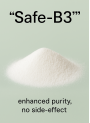
Safe-B3™ (Vitamin B3, Niacinamide)

Allantoin