Combining Whitening Ingredients: Compatibility, Mechanisms, Efficacy, and Tranexamic Acid Side Effects
Question
I have a list of whitening ingredients: Alpha Arbutin, Niacinamide, N-Acetyl Glucosamine, Azelaic Acid, and Tranexamic Acid.
- Can all these ingredients be used together in a single formulation?
- Do the mechanisms of action of these ingredients overlap? What is the mechanism of action for each individual ingredient?
- Comparing the efficacy of a formulation containing only the first three ingredients (Alpha Arbutin + Niacinamide + N-Acetyl Glucosamine) versus one containing all five (Alpha Arbutin + Niacinamide + N-Acetyl Glucosamine + Azelaic Acid + Tranexamic Acid), which combination provides better efficacy? I've read that using too many ingredients can reduce the effectiveness of each.
- If I don't have melasma, can I still use Tranexamic Acid to help with overall skin brightening and reduce small dark spots?
- Are there any side effects of using Tranexamic Acid at a 5% concentration other than potential skin irritation?
Answer
Combining Whitening Ingredients
Hello! The five ingredients you asked about: Alpha Arbutin, Niacinamide, N-Acetyl Glucosamine, Azelaic Acid, and Tranexamic Acid are all substances with properties that help brighten the skin and reduce dark spots. They can be used together in a formulation. However, using multiple active ingredients together may increase the potential for skin irritation.
Mechanism of Action of Each Ingredient
Each ingredient has a different mechanism of action in helping to brighten the skin. These diverse actions can complement each other without direct overlap in their primary mechanisms.
- Alpha Arbutin: Works by inhibiting the enzyme Tyrosinase, a key enzyme in the process of melanin production.
- Niacinamide (Vitamin B3): Helps reduce the transfer of melanin to the upper layers of the skin, reduces redness/dark spots, adds moisture, strengthens the skin barrier, and helps control oiliness, which is also beneficial for acne-prone skin.
- N-Acetyl Glucosamine: Works well with Niacinamide to inhibit the pigmentation process and helps reduce dark spots. It also provides gentle exfoliation and stimulates the natural production of Hyaluronic Acid, keeping the skin moisturized.
- Azelaic Acid (in the form of Liquid Azelaic™): Helps brighten skin, reduce dark spots, reduce skin oiliness, control sebaceous gland function, and reduce clogged pores. It has exfoliating properties.
- Tranexamic Acid: Helps reduce the formation of melanin pigment and reduces inflammation under the skin, which is one cause of melasma and dark spots. It is suitable for melasma and dark spots caused by sun exposure.
Efficacy of Combinations
Using all five ingredients together (Alpha Arbutin + Niacinamide + N-Acetyl Glucosamine + Azelaic Acid + Tranexamic Acid) is likely to provide greater efficacy in improving skin tone and reducing dark spots compared to using only the first three (Alpha Arbutin + Niacinamide + N-Acetyl Glucosamine). This is because the combination involves substances with diverse mechanisms that cover multiple steps in inhibiting pigmentation. While using multiple ingredients may increase the risk of irritation, it does not directly mean that the efficacy of each individual ingredient is reduced. If the skin can tolerate the irritation, using multiple complementary ingredients will yield better results.
Using Tranexamic Acid for Skin Brightening and Dark Spots
Tranexamic Acid can be used to help with overall skin brightening and reduce small dark spots, even if you don't have melasma. This is due to its property of reducing melanin pigment formation.
Potential Side Effects of Using Tranexamic Acid 5%
According to FDA information, the main side effect of Tranexamic Acid in cosmetics is skin irritation. Currently, the ASEAN FDA standard has reduced the maximum allowed concentration in cosmetics to 3% to mitigate this risk. Using concentrations higher than 3% (such as 5%) may increase the chance of irritation. Regarding systemic side effects from its medicinal use (e.g., blood clotting medication), this is not a concern for topical skin application because the concentration and amount used in cosmetics are much lower than medicinal doses.
Hope this information is helpful.
Related Products Mentioned
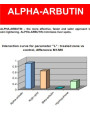
Alpha Arbutin (Switzerland)
Safe-B3™ (Vitamin B3, Niacinamide)
GlucoBright™ (Acetyl Glucosamine)