Comparing Bifida Products & Treating Severe Melasma in Elderly
Question
Seeking advice on comparing Bifida Repair Complex (High Conc) vs. Repair Activator BG for effectiveness at different percentages, and comprehensive guidance on treating severe, treatment-resistant melasma and dark spots on a 70-year-old with itching, including analysis of a current formula (Niacinamide, Acetyl Glucosamine, 4MSK, Tranexamic Acid), ingredient mechanisms, skin penetration, and recommendations for improvement.
Answer
Skincare and Melasma Treatment Advice
Comparing Bifida Repair Complex™ (High Conc) and Repair Activator™ BG
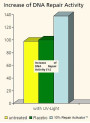
Based on the information, Bifida Repair Complex™ (High Conc) has a higher concentration (4.5-5.5% dry residue) compared to Repair Activator™ BG, which is in a Butylene Glycol base. Using Bifida Repair Complex™ (High Conc) at a 5% concentration, which is within its recommended usage rate (1-7%) and contains a higher concentration of the active ingredient, is likely to yield better or equivalent results compared to using Repair Activator™ BG at 10%. Bifida Repair Complex™ (High Conc) is designed to provide a higher concentration of Bifida Ferment Lysate with a lower usage rate for enhanced skin barrier support and DNA repair.
Addressing Your Mother's Melasma and Dark Spots
I understand your concern regarding your mother's melasma and dark spots. At 70 years old, and with the issue potentially appearing after vaccination and accompanied by itching, this suggests possible underlying skin inflammation. Inflammation is a known factor that can trigger and worsen melasma. Melasma in older individuals and long-standing melasma are often difficult and slow to treat.
Analysis of the Current Formula and Mechanisms
The formula your mother is currently using includes:
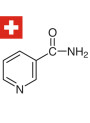
- Safe B3™ (Niacinamide): Helps reduce redness/dark spots, strengthens the skin barrier, reduces inflammation, and may help reduce melanin transfer to the upper skin layers.
- GlucoBright™ (Acetyl Glucosamine): Works synergistically with Niacinamide to inhibit the pigmentation process and provides gentle exfoliation.
- 4MSK (Potassium Methoxysalicylate): Developed by Shiseido, it helps break down melanin clusters beneath the skin surface and inhibits melanin production.
- Tranexamic Acid (Trans-White™): Helps reduce melanin formation and is effective for sun-induced melasma.
These ingredients have different mechanisms of action that can complement each other in reducing pigmentation. For example, Niacinamide + Acetyl Glucosamine work well together, and 4MSK + Tranexamic Acid are often combined in products by brands like Shiseido. Therefore, your current formula does not have overly redundant mechanisms but rather a synergistic approach to target pigmentation.
Penetration to Deeper Skin Layers (Dermis)
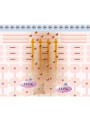
Generally, most active ingredients in cosmetic products primarily work in the upper layer of the skin (epidermis), where melanin is produced and accumulates. The ability of an ingredient to penetrate deeply into the dermis depends on its properties and the formulation type (e.g., molecular size, delivery system). The ingredients you are using primarily act in the epidermis. While Tranexamic Acid might have some effect on blood vessels related to vascular melasma in the dermis, achieving significant penetration for widespread pigment removal in the dermis with standard cosmetic formulations can be challenging.
Further Recommendations and Formula Improvement
The lack of significant results after 1.5 years suggests that your mother's melasma might be severe and complex, or the current ingredient concentrations may not be sufficient for her condition, or there might be other contributing factors like chronic inflammation or internal factors.
Additional recommendations:
- Consider adding anti-inflammatory ingredients: Since itching is present, adding ingredients that soothe and reduce inflammation, such as Allantoin, Bisabolol, or certain plant extracts, could help alleviate itching and reduce inflammation-induced pigmentation.
- Add gentle exfoliants: Besides the AHA you are using, consider Lactic Acid or Mandelic Acid, which are often gentler for mature skin, to help accelerate the turnover of pigmented skin cells.
- Other depigmenting agents: You might consider other ingredients with different mechanisms, such as Alpha Arbutin, Kojic Acid derivatives, or a stable and well-penetrating form of Vitamin C.
- Delivery Systems: If enhanced skin penetration is desired, consider ingredients that improve skin permeability (Penetration Enhancers) or use ingredients specifically developed for better penetration, such as Nano-TXA™, which is a nano-emulsion form of Tranexamic Acid designed for improved delivery.
- Importance of Sunscreen: Emphasize the critical importance of consistent use of high-SPF sunscreen (SPF 50+ and PA+++ or higher) on the face and neck, reapplying throughout the day. Sun exposure is the primary factor worsening melasma. Strict sun protection is paramount.
- Consult a Dermatologist: If adjusting the formula doesn't yield results and laser treatment is not an option due to budget, consider consulting a dermatologist again for prescription topical treatments, which may have different concentrations or mechanisms and could be more effective for severe and treatment-resistant melasma.
Treating melasma requires time and patience, especially in long-standing and complex cases. Gentle and consistent skincare, combined with strict sun protection, is key.
Related Products Mentioned
GlucoBright™ (Acetyl Glucosamine)
Tranexamic Acid (Trans-White™)