Comparing Essential Oils and Chemical Fragrances for Perfume: Diffusion, Longevity, and Formulation
Question
Regarding using Essential Oil for perfume:
- Does it provide scent diffusion and longevity comparable to using chemical fragrances?
- Could you provide recommended ingredients and ratios?
- I am interested in the Champaca scent. I see two options in the essential oil category with different prices. What is the difference between these two products?
Answer
Essential Oils vs. Chemical Fragrances in Perfumery
When comparing essential oils and chemical fragrances for use in perfumes, there are key differences in their characteristics, including scent diffusion and longevity.
Essential Oils: These are natural extracts from plants. Their scents are complex and can vary depending on the plant's origin, growing conditions, and extraction method. Essential oils often have a more nuanced aroma but may not have the same projection (sillage) or longevity as some synthetic chemicals. Their volatility varies; some are top notes that evaporate quickly, while others are heavier base notes that last longer.
Chemical Fragrances: These are synthetic compounds or blends created in a laboratory. They can mimic natural scents or create entirely new ones. Chemical fragrances are often designed for specific performance characteristics, such as strong diffusion and extended wear time, which can make them appear to last longer and project more strongly than many natural oils.
Creating a long-lasting and well-diffusing perfume, whether with essential oils or chemical fragrances, involves understanding fragrance notes (top, middle, base) and using fixatives to help the scent linger.
Champaca Scent Options
You mentioned interest in the Champaca scent and noted two products. The two types available are typically:
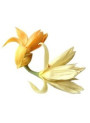
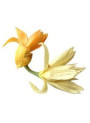
- Michelia Champaca Flower Oil: This is an essential oil extracted from the flowers.
- Champaca Leaf Absolute: This is an absolute extracted from the leaves.
The difference in price and scent profile between these two often comes down to the part of the plant used and the extraction method. Absolutes (like Champaca Leaf Absolute) are produced using solvent extraction, which can capture a broader range of aromatic compounds than steam distillation (often used for essential oils), sometimes resulting in a scent closer to the natural material and a higher price due to yield and process complexity.
Formulation and Ratios
Specific ratios depend heavily on the type of product you are making (e.g., alcohol-based perfume, oil rollerball, lotion). However, here are general guidelines for fragrance concentration:
- Eau de Cologne: 2-4% fragrance
- Eau de Toilette: 5-15% fragrance
- Eau de Parfum: 15-20% fragrance
- Perfume/Extrait de Parfum: 20-40% fragrance
For an alcohol-based perfume, you would typically mix the fragrance concentrate (your essential oils/absolutes) with perfumer's alcohol. For an oil-based rollerball, you would mix with a carrier oil like jojoba or fractionated coconut oil. Always start with a low concentration and adjust to your preference.
When using essential oils, consider blending notes with different volatilities to create a more complex and lasting fragrance profile.
Related Products Mentioned
Michelia Champaca Flower Oil