Comparing Hyaluronic Acid Stickiness and Reducing it at High Concentrations
Question
I would like to ask: - At the same concentration, such as 5-10%, which Hyaluron would be more sticky between 4D Hya and Double Hya if added to a formula that is otherwise identical? - If I want to use Hyaluron at a concentration of 10% or more, what should I do to minimize stickiness while maintaining the same level of hydration? Thank you in advance.
Answer
Comparing 4D Hyaluronic Acid and Double Hyaluron Liquid Stickiness
Based on the product descriptions:
- 4D Hyaluronic Acid is described as having a "thick gel texture" and being a "Clear viscous gel texture". It combines four types of hyaluronic acid molecules, including large and cationic types, which contribute to its gel-forming and film-forming properties. This structure helps retain moisture across multiple skin layers but is likely to result in a more noticeable sticky feel, especially at higher concentrations like 5-10%.
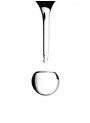
- Double Hyaluron Liquid is described as a "clear thick liquid" and is a combination of Nano and Standard molecule sizes. The Standard size can form a "little gel" and "slightly coats the skin," while the Nano size does not create a gel texture. Because it contains a significant portion of the less gel-forming Nano size and the Standard size only forms a "little gel," it is likely to be less viscous and less sticky compared to 4D Hyaluronic Acid at the same concentration (5-10%) in the same formula base.
Therefore, at equal concentrations (5-10%) in the same formula, 4D Hyaluronic Acid is expected to be more viscous and potentially feel more sticky than Double Hyaluron Liquid.
Reducing Stickiness at High Hyaluronic Acid Concentrations (10%+)
Using hyaluronic acid at high concentrations (10% or more) can often lead to a sticky texture. To minimize stickiness while maintaining high hydration, consider these formulation approaches:
- Blend Different Molecular Weights: While 4D and Double Hyaluron already contain blends, adjusting the ratio or incorporating other specific molecular weights of hyaluronic acid can help. Lower molecular weight HA is less sticky but provides less surface film; higher molecular weight provides more film but is stickier. A balanced blend is key.
- Incorporate Other Humectants: Combine hyaluronic acid with other humectants like Glycerin, Panthenol (Vitamin B5), or Sodium PCA. These can contribute to hydration and sometimes modify the texture to feel less sticky than a formula relying solely on high-concentration HA.
- Add Texture Modifiers/Emollients: Including lightweight emollients (like certain esters or silicones) or rheology modifiers in the formula can help improve the slip and reduce the sticky after-feel without compromising hydration.
- Adjust the Formula Base: The overall composition of your serum or cream base significantly impacts the final texture. Ensure the base is well-formulated to support high HA concentrations.
Achieving high hydration with minimal stickiness at concentrations of 10% or more requires careful formulation and often involves combining hyaluronic acid with other ingredients that improve the sensory feel of the product.
Related Products Mentioned
Double Hyaluron Liquid