Comparing Lanolin and Dimethiconol for 2-in-1 Shampoo/Conditioner
Question
Which ingredient, Lanolin or Dimethiconol, is more effective for achieving soft, shiny, and frizz-free hair in a 2-in-1 shampoo and conditioner formulation?
Answer
For a 2-in-1 shampoo and conditioner aiming for soft, shiny, and frizz-free hair, the choice of conditioning agent is crucial. Let's compare Lanolin and Dimethiconol:
- Lanolin (and derivatives): Lanolin is a natural wax from sheep's wool, acting as an excellent emollient and moisturizer. It helps coat hair and skin to reduce moisture loss, making hair soft, hydrated, and reducing dryness that contributes to frizz. Various forms exist, including pure Lanolin, synthetic alternatives (Lanofree™), and water-soluble Lanolin (Lanolin Water Soluble).
- Dimethiconol: Dimethiconol is a high-viscosity silicone with excellent film-forming properties on hair. It provides slip, makes hair easy to comb, reduces tangling, adds shine, and is highly effective in controlling frizz by smoothing the hair cuticle.
Comparison in 2-in-1 Shampoo/Conditioner:
In a 2-in-1 formula, which is a wash-off product, the deposition of the conditioning agent onto the hair is important.
- Dimethiconol generally provides more noticeable immediate results in terms of slip, shine, and frizz reduction because silicones effectively coat the hair and visibly smooth it.
- Lanolin provides good softness and moisture, but achieving significant deposition and lasting conditioning effects in a wash-off product can be more challenging than with Dimethiconol, unless specific forms or formulation techniques are used.
Conclusion:
If the focus for your 2-in-1 shampoo and conditioner is on softness, shine, and frizz control, Dimethiconol is generally the more effective choice for delivering these benefits prominently in this type of product. However, Lanolin still offers valuable moisturizing and softening properties for the hair.
Related Products Mentioned
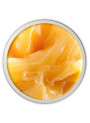
Lanofree™ (Synthetic Lanolin)
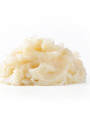
LipidSoft™ Lanolin
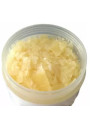
Lanolin Water Soluble (PEG-75 Lanolin)