Comparing Lanolin Types for Lip Balm: Usage, Stability, and Mixing
Question
I saw four Lanolin products on the website: Lanolin Natural, Lanolin Oil, LipidSoft Lanolin, and Lanofree. Which Lanolin product is best for applying to the lips? Do they give different results on the lips? Do I need to add an antioxidant to prevent rancidity? If I mix it with oil or Vitamin E, how should I mix it? Can I mix it manually?
Answer
Comparing Lanolin Products for Lip Care
You're asking about which Lanolin product is best for lip application among the ones you saw, the differences in results, the need for antioxidants, and how to mix them.
Based on the product information, here's a comparison of the relevant options for lip care:
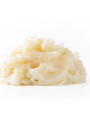
- Lanolin (Sheep Wool Grease, Anhydrous, Deodorized): This is natural Lanolin, derived from sheep's wool. It's widely used in lip balms due to its excellent ability to create a protective barrier, prevent moisture loss, and soothe dry, cracked lips. It has a natural scent (though deodorized) and is a yellow cream that needs to be melted into the oil phase of your formulation (can withstand heat up to 80°C). For long-term storage, refrigeration is recommended.
- Lanofree™ (Synthetic Lanolin): This is a synthetic ester designed to mimic the properties and feel of natural Lanolin but without the natural scent. It's suitable for lipsticks and makeup, helping with coating, adhesion, and providing moisture. It's a thick brown cream that dissolves in oil with heat (40-45°C). It can be used at higher concentrations (up to 50%) compared to natural Lanolin.
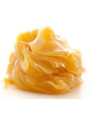
- LipidSoft™ Lanolin: Another synthetic alternative to natural Lanolin. Its key strengths are lighter color and smell, and very high stability (less prone to oxidation) compared to natural Lanolin. It provides a similar texture and feel. It's a thick, light yellow liquid that dissolves in oil.
Lanolin Water Soluble (PEG-75 Lanolin) is a water-soluble type and is generally not suitable for typical oil-based lip balm formulations.
Differences in Results
The main difference in results will likely be related to the texture, feel, and stability. Natural Lanolin provides the classic, rich feel known for its barrier properties. Lanofree and LipidSoft Lanolin offer similar emolliency but are synthetic, potentially offering better stability and less scent/color. LipidSoft Lanolin's high stability is a notable advantage.
Do You Need an Antioxidant?
Natural Lanolin (Sheep Wool Grease) is a natural fat and can benefit from an antioxidant like Vitamin E to help prevent oxidation (rancidity), especially if not stored in the refrigerator. LipidSoft Lanolin is described as highly stable and less prone to oxidation, so an antioxidant might not be strictly necessary but could still be added for extra protection, particularly if combined with other oils that are prone to oxidation. Lanofree, being a synthetic ester, is generally stable, and an antioxidant is likely not required.
How to Mix with Oil/Vitamin E
All three suitable options (Natural Lanolin, Lanofree, LipidSoft Lanolin) should be mixed into the oil phase of your formulation. If using Natural Lanolin or Lanofree, you will need to heat the oil phase to melt and incorporate them fully (up to 80°C for Natural Lanolin, 40-45°C for Lanofree). LipidSoft Lanolin, being a liquid, should dissolve in oil without needing high heat.
Vitamin E (Tocopherol) is oil-soluble and should be added to the oil phase along with the Lanolin product.
Can You Mix Manually?
Yes, you can mix manually. For Natural Lanolin and Lanofree, you will need to heat the oil phase to the required temperature while stirring to ensure they melt and disperse evenly. Once melted and mixed, continue stirring manually as the mixture cools to maintain homogeneity, especially for simple balm formulations. LipidSoft Lanolin, being a liquid, can be manually mixed into oils, potentially without significant heating depending on the overall formula.
Choosing the best one depends on whether you prefer a natural ingredient or a synthetic alternative with potentially better stability and less scent/color. All three oil-soluble options are suitable for lip care.
Related Products Mentioned
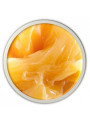
Lanofree™ (Synthetic Lanolin)