Comparing Makeup Remover Formulations: PEG vs Poloxamer for Eye Area
Question
What are the differences between these two makeup remover formulations, especially in terms of effectiveness and eye irritation?
- Formula 1:
PEG-7 Glyceryl Cocoate (Coco Wash)at 3-5%PEG-6 Caprylic/Capric Glycerides (MakeUp-Wash)at 3-5%
- Formula 2:
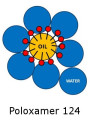
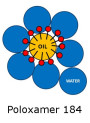
Poloxamer 124at 5%Poloxamer 184at 10%
Answer
Comparing Two Makeup Remover Formulations
You've asked about the differences between two makeup remover formulations:
- Formula 1: Using PEG-7 Glyceryl Cocoate (Coco Wash) and PEG-6 Caprylic/Capric Glycerides (MakeUp-Wash) at 3-5% each.
- Formula 2: Using Poloxamer 124 at 5% and Poloxamer 184 at 10%.
Both formulations utilize non-ionic surfactants commonly used in cleansing products, particularly micellar waters and makeup removers, due to their ability to effectively lift and remove makeup and impurities without excessive foaming.
Comparison
Based on general knowledge of these ingredients and information available:
- Cleansing Performance: Both combinations are expected to provide similar effectiveness in removing makeup and cleansing the skin.
- Skin Feel: The specific feel on the skin can vary slightly depending on the exact grades and combinations used, but both types of ingredients are generally designed to be gentle.
- Eye Irritation: A key difference, as noted in the staff reply, is that Poloxamers (Poloxamer 124 and Poloxamer 184) are generally known to cause less irritation to the eyes compared to PEG-7 Glyceryl Cocoate and PEG-6 Caprylic/Capric Glycerides when used in formulas intended for the eye area. This makes the Poloxamer-based formula potentially more suitable for sensitive eyes or for products specifically marketed as eye makeup removers.
Conclusion
While both formulations can effectively remove makeup, the formula containing Poloxamer 124 and Poloxamer 184 is likely to be milder and cause less eye irritation, making it a preferable choice for products used around the sensitive eye area.
Related Products Mentioned
Poloxamer 184