Comparing MicroKill™ and Dandruff-Clear™ for Shampoo/Cleanser (Dandruff & Acne)
Question
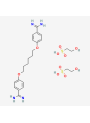
I would like to compare between MicroKill™ (Quaternium-73) and Dandruff-Clear™ (Hexamidine diisethionate). Which one is better? I saw that it is written that they kill P.acnes. If I want to add them to shampoo and cleanser formulations, what should be the recommended usage percentage for each?
Answer
Comparing MicroKill™ (Quaternium-73) and Dandruff-Clear™ (Hexamidine Diisethionate)
Both MicroKill™ (Quaternium-73) and Dandruff-Clear™ (Hexamidine Diisethionate) are effective antimicrobial agents used in cosmetic formulations, including shampoos and cleansers. They both have cationic properties, which help them adhere to the skin and hair, providing a longer-lasting effect, especially in rinse-off products.
Effectiveness Against P. acnes
Yes, both ingredients are effective against P. acnes bacteria, which are implicated in acne:
- Dandruff-Clear™ (Hexamidine Diisethionate): The description states it is effective in controlling acne (P. acnes) with a low Minimum Inhibitory Concentration (MIC) of only 0.1 microgram/ml.
- MicroKill™ (Quaternium-73): Research indicates it is very effective in killing almost all kinds of bacteria, including P. acnes. Using MicroKill™ at 1% in a formula (equivalent to 0.001% Quaternium-73 pure powder based on the product description's example) can kill more than 99% of germs.
Recommended Usage Rates in Shampoo and Cleanser
The recommended usage rates differ for each ingredient:
- Dandruff-Clear™ (Hexamidine Diisethionate): The recommended usage rate is 0.1%. It should be dispersed in water or any type of glycol before mixing into the main formula.
- MicroKill™ (Quaternium-73): The recommended usage rate is 0.01-0.1%. It can be dissolved directly in oil, but heat should be avoided during mixing.
Other Considerations
- Dandruff-Clear™ is particularly highlighted for its suitability in dandruff shampoos due to its adherence properties. It is positively charged, so care must be taken when formulating with anionic emulsifiers, thickeners, or surfactants.
- MicroKill™ also offers an additional benefit: it can inhibit melanin formation, which can help reduce the appearance of acne scars and dark marks. It is stable over a wide pH range (2-12) but requires protection from light (e.g., opaque packaging).
Which is Better?
Both are effective antimicrobials suitable for rinse-off products like shampoos and cleansers and target P. acnes. The choice depends on your specific formulation goals:
- If the primary focus is dandruff treatment and general antimicrobial action, Dandruff-Clear™ at 0.1% is a strong option, especially noted for its rinse-off efficacy.
- If you are targeting acne and also want a potential benefit for reducing acne scars/dark marks, MicroKill™ at 0.01-0.1% could be preferred. Its oil solubility and light sensitivity are important formulation considerations.
Always follow the recommended usage rates and mixing instructions for optimal performance and safety.
Related Products Mentioned