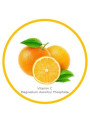
Comparing Nanowhite and Vitamin C Powder for Skin Whitening in Lotion
Question
Regarding using Nanowhite and Vitamin C powder (specifically L-Ascorbic Acid) in a lotion formulation for skin whitening, I have the following questions:
- Which ingredient is more effective for skin whitening and inhibiting melanin production?
- Can both Nanowhite and L-Ascorbic Acid be mixed together in a lotion base, or should only one be used?
- Can these ingredients be added directly into a lotion base for immediate use, or are additional ingredients required?
- If they can be used, what are the recommended usage percentages for each in a lotion?
Answer
Comparison of Nanowhite and Vitamin C Powder for Skin Whitening
Regarding your questions about using Nanowhite and Vitamin C powder in a skin whitening lotion, here is a comparison based on the information available:
Whitening Efficacy
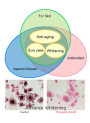
Nanowhite is a blend containing several ingredients, including Arbutin, Ascorbyl Palmitate (a type of Vitamin C ester), and Glutathione. Vitamin C powder typically refers to L-Ascorbic Acid.
Pure forms of Vitamin C, such as L-Ascorbic Acid or stabilized derivatives like Ascorbyl Glucoside (AA-2G), are generally considered to have higher efficacy in skin whitening and inhibiting melanin production compared to Vitamin C esters like Ascorbyl Palmitate, which is one component of Nanowhite.
Mixing the Two Ingredients
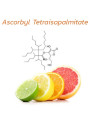
Nanowhite and L-Ascorbic Acid are different types of ingredients with varying properties and formulation requirements. L-Ascorbic Acid, for instance, is known for its instability, especially in water, and requires specific pH conditions (typically acidic, pH 2.0-4.0, but FDA recommends pH 3.5 or higher for leave-on products) and potentially chelating agents like Disodium EDTA for stability. Other Vitamin C derivatives like Ascorbyl Glucoside (AA-2G) require a pH range of 6.5-6.8 for stability, while Magnesium Ascorbyl Phosphate (MAP) and Sodium Ascorbyl Phosphate (SAP) are stable at pH 7-9. Perfect-C™ (Ascorbyl Tetraisopalmitate) is oil-soluble and stable at pH 5.0-5.5.
Mixing these ingredients directly into a pre-made lotion base or mixing Nanowhite with L-Ascorbic Acid without proper formulation knowledge and pH control is generally not recommended. It can lead to instability, reduced efficacy, or potential skin irritation.
Direct Addition to Lotion Base
Adding L-Ascorbic Acid powder directly to a lotion base is usually not advisable. L-Ascorbic Acid is unstable when dissolved in water and requires careful formulation, including pH adjustment and potentially other stabilizers, to remain effective. The descriptions for L-Ascorbic Acid products specify mixing methods and required pH ranges (e.g., pH 2.0-4.0, ideally 3.5-4.0 for leave-on products).
Other forms of Vitamin C, such as Ascorbyl Glucoside (AA-2G), Ethyl Ascorbic Acid, Magnesium Ascorbyl Phosphate (MAP), and Sodium Ascorbyl Phosphate (SAP), are more stable and easier to incorporate into water-based formulas, but still have specific pH requirements for optimal stability and efficacy. Perfect-C™ is oil-soluble and mixed into the oil phase.
Nanowhite, being a blend, also requires proper incorporation into a formula to ensure the stability and efficacy of its components.
For best results, it is recommended to formulate a lotion base specifically designed to incorporate these active ingredients, ensuring the correct pH and stability.
Recommended Usage Percentages
The recommended usage percentage varies depending on the specific type of Vitamin C and the desired effect. For L-Ascorbic Acid, the typical usage rate for whitening is 3-15%. For other forms:
- Ascorbyl Glucoside (AA-2G): 2-10%
- Perfect-C™ (Ascorbyl Tetraisopalmitate): 1-10% (recommended 5%)
- Ethyl Ascorbic Acid: 1-10% (recommended 3%)
- Magnesium Ascorbyl Phosphate (MAP): 0.5-10% (recommended 3%)
- Sodium Ascorbyl Phosphate (SAP): 0.5-10% (recommended 3%)
The usage rate for Nanowhite would depend on the specific product blend and manufacturer's recommendations.
Always refer to the specific product's instructions and recommended usage rates for accurate formulation.
Related Products Mentioned
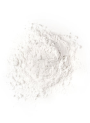
Vitamin C (L-ascorbic acid) (Ultra-Fine)
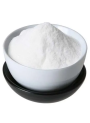
Vitamin C (L-ascorbic acid) (Fine)
Vitamin C (L-ascorbic acid) (Standard)