Comparing Pitera Extracts and Mixing with Other Ingredients
Question
I would like to ask about Pitera extracts. (1) Regarding the extracts, which one is recommended between PiteraEx™ (Saccharomyces Lysate Extract) and Galactomyces Ferment Filtrate (aka Pitera)? What are the differences? (2) Regarding usage method: Is it recommended to use alone or mixed with other extracts? (3) If mixed with other extracts, can it be mixed with Niacinamide + Nac + White MSH? Thank you.
Answer
Understanding Pitera Extracts and Combinations
You're asking about two types of Pitera-like extracts, their differences, usage, and compatibility with other ingredients like Niacinamide and MSH White.
1. Comparing Galactomyces Ferment Filtrate and Dermal Respiratory Factor (PiteraEx)
- Galactomyces Ferment Filtrate (aka Pitera) (Product IDs 357, 35561): This is the ingredient widely known as Pitera. It's produced by fermenting Saccharomyces yeast and then filtering the liquid. It's used to nourish and revitalize the skin, providing smoothness and hydration. There are typically two forms: a standard type containing Butylene Glycol as a preservative and a newer version that is Glycol, Glycerin, and Preservative Free, suitable for sensitive skin. It's generally used at higher concentrations (1-100%) and can feel slightly greasy at high rates.
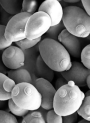
- Dermal Respiratory Factor (Product ID 1612), which you referred to as PiteraEx: This is a Saccharomyces Lysate Extract. It's derived from Saccharomyces yeast cells that have been lysed (cell wall broken) and then extracted to obtain a concentrated liquid of the active constituents. It acts similarly to Galactomyces Ferment Filtrate but is more concentrated, allowing for effective use at a much lower rate (recommended 0.1-2.8%, typically 1.0%). This makes it suitable for formulations where you want the benefits without the potential gooeyness of high concentrations of Galactomyces Ferment Filtrate.
In summary, while both are derived from yeast and offer similar skin benefits, Dermal Respiratory Factor (PiteraEx) is a more concentrated extract allowing for lower usage rates compared to Galactomyces Ferment Filtrate (Pitera).
2. How to Use and Mix the Extracts
Both Galactomyces Ferment Filtrate and Dermal Respiratory Factor can be used in various cosmetic formulations like gels, serums, lotions, or creams. They are water-soluble and should be added in the final step of your formulation, after the temperature has dropped below 40°C, as they are sensitive to heat.
They can be used alone or mixed with other compatible ingredients.
Mixing with Niacinamide and MSH White
Yes, you can mix these Pitera-like extracts with Niacinamide and MSH White. This combination can be beneficial for overall skin health, anti-aging, and brightening.
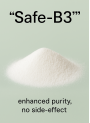
- Safe-B3™ (Vitamin B3, Niacinamide) (Product ID 74) is water-soluble and can be mixed into the water phase of your formulation. It has good heat resistance but prolonged heating should be avoided. The optimal pH range is 4.0-7.0.
- MSH White™ (Undecylenoyl phenylalanine) (Product ID 699) is oil-soluble and requires heating (around 80°C) to dissolve in the oil phase before being incorporated into the formula. It works well with Niacinamide for skin brightening.
When formulating with these ingredients:
- Prepare your oil phase (if any), dissolving MSH White™ with heat.
- Prepare your water phase, dissolving Safe-B3™ (Niacinamide).
- Combine phases (if applicable) and cool the mixture.
- Once the temperature is below 40°C, add the Galactomyces Ferment Filtrate or Dermal Respiratory Factor.
- Mix thoroughly.
This approach ensures that the heat-sensitive yeast extracts are not degraded and that the oil-soluble MSH White™ is properly dissolved and incorporated.
Regarding "Nac", if you are referring to N-Acetyl Glucosamine, it is also a water-soluble ingredient often paired with Niacinamide for synergistic skin brightening effects and is compatible with the other ingredients mentioned.