Comparing Tranexamic Acid and Activated Resorcinol for Melasma Treatment
Question
I want to compare the effectiveness and safety of Tranexamic Acid (such as Trans-White™ and Nano-TXA™) and Activated Resorcinol (such as Activated Resorcinol™ and NanoRes™) for treating melasma.
- Which ingredient is generally more effective?
- Are both safe for long-term use, and are there specific concentration limits or safety concerns I should be aware of, especially regarding "using concentrations higher than recommended for cosmetics"?
- What are their mechanisms of action, and how do they compare to other whitening agents like Vitamin C or Arbutin?
- Can they be combined with other ingredients like Vitamin B3 (Niacinamide) and N-Acetyl Glucosamine?
- Are there any specific formulation considerations for Nano-TXA™ (nano-emulsion) or NanoRes™ (encapsulation)?
- What other recommendations are important for managing melasma?
Answer
Comparing Tranexamic Acid and Activated Resorcinol for Melasma
Both Tranexamic Acid and Activated Resorcinol (4-Butylresorcinol) are effective ingredients used for treating melasma and improving skin brightness. The choice between them, or using them in combination, can depend on individual skin response and specific formulation goals.
Tranexamic Acid (such as Trans-White™ and Nano-TXA™)
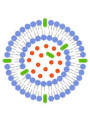
Tranexamic Acid works by reducing the formation of melanin pigment, making it suitable for addressing dark spots and melasma, particularly those caused by sun exposure. It is a popular ingredient found in many well-known skincare products. The Nano-TXA™ form utilizes nano-emulsion technology to potentially enhance skin penetration and sustained release of the active ingredient.
Activated Resorcinol (such as Activated Resorcinol™ and NanoRes™)
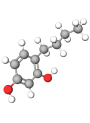
Activated Resorcinol (4-Butylresorcinol) is known for its potent ability to inhibit tyrosinase, a key enzyme in melanin production. It also helps prevent pigment from moving to the skin's surface. Studies suggest it can be significantly more effective than some other common whitening agents like Vitamin C or Arbutin. The NanoRes™ version uses encapsulation technology to improve stability and water solubility, making it easier to formulate with and potentially enhancing absorption.
Safety and Long-Term Use
Both ingredients are considered safe for long-term use when used within recommended concentration limits. However, using concentrations higher than recommended for cosmetics (up to 3% for Tranexamic Acid, up to 1% for Activated Resorcinol in leave-on products) can potentially cause skin irritation or other adverse effects. Always adhere to recommended usage rates.
Which is More Effective?
It is difficult to definitively say which is "more effective" as results can vary greatly depending on the individual's skin type, the specific cause of the melasma, the product formulation, and consistent usage. Both have strong scientific backing for their use in treating hyperpigmentation.
Additional Recommendations
Beyond using active ingredients like Tranexamic Acid or Activated Resorcinol, the most crucial step in managing melasma and preventing its recurrence is consistent and effective sun protection. Using a high-SPF, broad-spectrum sunscreen daily is essential.
Activated Resorcinol can be effectively combined with ingredients like Vitamin B3 (Niacinamide) and N-Acetyl Glucosamine. Nano-TXA can also be used as a base to improve the delivery of other water-soluble active ingredients.
In summary, both Tranexamic Acid and Activated Resorcinol are powerful options for melasma treatment. Choosing between them or using them together should be part of a comprehensive approach that always includes diligent sun protection.