Comparing Vitamin C Derivatives: Ascorbyl Tetraisopalmitate vs Glucoside and Compatibility with Niacinamide/Zinc PCA
Question
Please compare Ascorbyl Tetraisopalmitate and Ascorbyl Glucoside regarding their effectiveness, speed of results, irritation potential, and suitability for sensitive skin. Additionally, explain why Ascorbyl Tetraisopalmitate (and Ascorbyl Glucoside) cannot be combined with Niacinamide and Zinc PCA in a formulation.
Answer
Comparison of Ascorbyl Tetraisopalmitate and Ascorbyl Glucoside
Both Ascorbyl Tetraisopalmitate and Ascorbyl Glucoside are stabilized forms of Vitamin C used in cosmetics, each with distinct properties:
Ascorbyl Tetraisopalmitate (Oil-soluble Vitamin C):
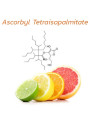
- Effectiveness: Highly effective, comparable to L-Ascorbic Acid. It is oil-soluble, allowing for superior absorption into the skin, which is primarily lipid-based. It is effective for skin brightening, reducing UV damage, acting as an antioxidant, and stimulating collagen synthesis.
- Speed: Due to its excellent absorption, it may show results relatively quickly.
- Irritation: Generally considered less irritating than water-soluble, acidic forms of Vitamin C, making it more suitable for sensitive skin.
- Stability: Highly stable.
- Optimal pH: Requires a formula pH of 5.0-5.5.
Ascorbyl Glucoside (Water-soluble Vitamin C):
- Effectiveness: Highly effective for brightening and as an antioxidant. It is a stable derivative that is converted to L-Ascorbic Acid in the skin, providing a sustained release.
- Speed: Provides continuous absorption and conversion in the skin.
- Irritation: As a stabilized form, it is less irritating than pure L-Ascorbic Acid, but its required optimal pH range (6.5-6.8) is higher than the skin's natural pH, which could potentially cause mild irritation in very sensitive individuals compared to oil-soluble forms.
- Stability: Moderately stable, requires careful pH control (6.5-6.8) for optimal stability.
- Optimal pH: Requires a formula pH of 6.5-6.8.
Conclusion for Question 1: Ascorbyl Tetraisopalmitate is generally considered to offer superior skin absorption and is often preferred for sensitive skin due to its lower potential for irritation and optimal pH range closer to skin's natural pH. Both are highly effective for brightening and collagen stimulation, but the oil-soluble nature of Ascorbyl Tetraisopalmitate might lead to slightly more prominent or faster results for some individuals.
Incompatibility with Niacinamide and Zinc PCA
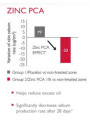
Regarding your second question, the product information for Perfect-C™ (Ascorbyl Tetraisopalmitate) explicitly states: "Do not use with Vitamin B3 [Niacinamide], Zinc PCA in the formula."
Similarly, the information for Ascorbyl Glucoside (AA-2G) also advises against combining it with Niacinamide (Safe-B3) or Zinc PCA, stating that they "will affect the stability of AA-2G."
The primary reason for this incompatibility is related to formula stability. Combining these ingredients can lead to issues such as:
- pH Conflicts: Each ingredient has an optimal pH range for stability and efficacy (Ascorbyl Tetraisopalmitate 5.0-5.5, Ascorbyl Glucoside 6.5-6.8, Niacinamide 4.0-7.0, Zinc PCA 4-6). It is challenging to find a single pH that keeps all of them stable and effective simultaneously.
- Ingredient Degradation: The presence of Niacinamide and/or Zinc PCA can accelerate the degradation of the Vitamin C derivative, reducing its effectiveness over time.
- Potential for Niacin Formation: While less common with derivatives than L-Ascorbic Acid, interactions can potentially lead to the formation of Niacin (Nicotinic Acid) from Niacinamide at certain pH levels, which can cause skin flushing and irritation.
Therefore, to ensure the stability and efficacy of the formulation and minimize potential irritation, it is recommended to avoid combining Ascorbyl Tetraisopalmitate (or Ascorbyl Glucoside) with Niacinamide and Zinc PCA in the same product.
Related Products Mentioned
Safe-B3™ (Vitamin B3, Niacinamide)