Comparing Vitamin C Forms, Nanowhite, Encapsulation, and Activated Resorcinol Mixing
Question
I have questions regarding active ingredients and formulation:
- Could you explain the difference between Ascorbic Acid and Ascorbyl Tetraisopalmitate forms of Vitamin C found in products like Jessica Wu's?
- How does the concept of "encapsulate release time" apply to these Vitamin C forms, and how does it compare to ingredients like Nanowhite (specifically 4-Butyl Resorcinol or NanoRes™ which uses liposome technology)?
- For Activated Resorcinol (4-Butyl Resorcinol), is a special blender required for mixing, or can it be easily dissolved by stirring?
Answer
Understanding Your Formulation Questions
Let's break down your questions about Vitamin C, Activated Resorcinol, and mixing:
Vitamin C in Jessica Wu Product vs. Nanowhite
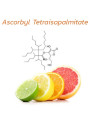
The Jessica Wu product you mentioned contains two forms of Vitamin C: Ascorbic Acid and Ascorbyl Tetraisopalmitate.
- Ascorbic Acid (L-Ascorbic Acid) is a potent form of Vitamin C, known for its effectiveness in brightening and anti-aging. However, it is generally unstable, especially in water-based formulas, and requires careful formulation (like low pH) to remain effective.
- Ascorbyl Tetraisopalmitate (like our Perfect-C™) is an oil-soluble derivative of Vitamin C. It is known for its excellent stability and ability to penetrate the skin well. It offers benefits for brightening, anti-aging, and collagen support.
The term "encapsulate release time" is often associated with delivery systems designed to improve stability, reduce irritation, or control the release of an active ingredient over time. While some formulations might use techniques to stabilize L-Ascorbic Acid, the ingredients listed (Ascorbic Acid and Ascorbyl Tetraisopalmitate) themselves are not inherently encapsulated in the way some other ingredients might be (e.g., liposomes).
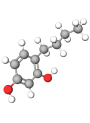
"Nanowhite" is a trade name that typically refers to a blend of whitening ingredients, often including 4-Butyl Resorcinol. Our product NanoRes™ is an example of an encapsulated form of 4-Butyl Resorcinol using liposome technology, which can provide a timed-release effect. It's important to note that Vitamin C and 4-Butyl Resorcinol are different active ingredients with different mechanisms of action for skin brightening.
Comparing the effectiveness of different products based solely on the percentage listed on the label can be misleading, especially when they contain different active ingredients or different forms of the same ingredient, formulated with different delivery systems. The overall formulation, stability, and penetration of the active ingredients are key factors in how well a product works.
Activated Resorcinol and Mixing
Regarding Activated Resorcinol (4-Butyl Resorcinol), based on the information from our staff, it is easily soluble in oil and emollients like LipidSoft. It does not require a special blender for mixing; you can simply stir it to dissolve.
We cannot provide information on the availability of testers for Activated Resorcinol or where to purchase blending equipment.
We hope this clarifies your questions!