Comparing Warp Cream Maker and Light Cream Maker for Silicone/Oil Formulas and Perfect-C Usage
Question
Based on a previous discussion about using Warp Cream Maker for silicone-containing formulas, I have the following questions regarding formulation with Perfect-C, LipidSoft, Warp Cream Maker, and Light Cream Maker:
- How should Perfect-C be incorporated into serum formulas (or non-traditional creams)? Can it be added directly, or must it be dissolved in LipidSoft first?
- If dissolving Perfect-C in LipidSoft, what is the required ratio?
- What are the capabilities and usage guidelines for Warp Cream Maker in formulas containing water, oil, and silicone? Specifically, what percentage of oil can it handle?
- For formulas with 30-40% silicone (or oil), is Light Cream Maker a suitable alternative to Warp Cream Maker, and what is the recommended usage percentage of Light Cream Maker in such formulas?
Answer
Formulation Questions Answered
Here are the answers to your questions regarding formulation with Perfect-C, LipidSoft, Warp Cream Maker, and Light Cream Maker, based on the information provided:
1. Using Perfect-C in Serum Formulas
When making a serum (or other formula that isn't a traditional cream), you have options for incorporating Perfect-C:
- Option 1.1 (Dissolving in LipidSoft first): You can dissolve Perfect-C in a LipidSoft type (like LipidSoft CC) first to make it more liquid and easier to mix into your formula, especially if your formula contains silicones. After dissolving, you would combine this oil/silicone phase and then gradually add the water phase while mixing.
- Option 1.2 (Adding Perfect-C directly): You can also add Perfect-C directly into your formula during the emulsification step, without pre-dissolving it in LipidSoft. This is possible when your formula uses a cream maker (emulsifier) to combine the phases. The staff confirmed that pre-dissolving in LipidSoft is not strictly necessary and depends on the desired ease of mixing.
2. Ratio of LipidSoft for Dissolving Perfect-C
There is no fixed ratio required for dissolving Perfect-C in LipidSoft. The amount of LipidSoft to use depends on how much you want to reduce the viscosity of the Perfect-C to make it easier to work with. You can use just enough to achieve the desired fluidity, or you can choose not to use LipidSoft at all and add Perfect-C directly into your emulsified formula.
3. Warp Cream Maker Capabilities and Usage
Regarding Warp Cream Maker, the guidelines for formulas containing water, oil, and silicone are:
- Silicone Content: The total silicone content (e.g., Cyclomethicone, Dimethicone) must be more than 50% of the formula.
- Water Content: Water must be no more than 50% but at least 10%.
- Oil Content: The amount of oil is determined by the remaining percentage after accounting for silicone and water. In an example with 55% silicone and 25% water, you could include up to 20% oil.
Therefore, Warp Cream Maker can handle oil percentages depending on the specific ratios of silicone and water, provided silicone is the primary component (>50%).
Important Note: You should not use Warp Cream Maker together with Light Cream Maker in the same formula, as combining two different cream makers is generally not recommended and can cause stability issues.
Clarification on Warp Cream Maker vs Light Cream Maker for Lower Silicone
The reason for recommending Warp Cream Maker primarily for high-silicone formulas (>50%) is related to cost-effectiveness. While it can be used at lower silicone levels (like 20-40%), it would require a significantly higher amount of Warp Cream Maker, making it expensive.
For formulas with lower silicone content, specifically in the range of 10-40%, Light Cream Maker is a suitable and more economical alternative for emulsification.
When using Light Cream Maker with 30-40% silicone (or oil), the recommended usage rate is typically 1-2%, similar to its use with just oil.
Related Products Mentioned
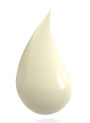
Light Cream Maker™
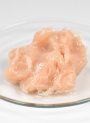
Warp Cream Maker™ (e.q. Nikkomulese wo)