Comparison: Activated Resorcinol vs. Sym-White for Skin Brightening
Question
I would like to inquire about whitening ingredients. Comparing Activated Resorcinol™ (4-butyl Resorcinol) and Sym-White (Phenylethyl Resorcinol), which one is more effective for skin brightening, reducing melasma, freckles, and dark spots?
Answer
Comparison: Activated Resorcinol vs. Sym-White (Phenylethyl Resorcinol)
Both Activated Resorcinol (4-Butyl Resorcinol) and Sym-White (Phenylethyl Resorcinol) are highly effective skin brightening agents used to reduce the appearance of melasma, freckles, and dark spots.
Here's a comparison based on the available information:
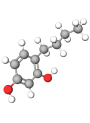
Activated Resorcinol (4-Butyl Resorcinol)
- Mechanism: Works by reducing the activity of the enzyme Tyrosinase, which is crucial for melanin production. It also helps prevent pigment transfer in the skin.
- Effectiveness: Manufacturer studies indicate it is significantly more effective at reducing pigmentation compared to Vitamin C, Arbutin, Kojic Acid, and Alpha Arbutin.
- Results: Results may start to be visible after at least 4 weeks of continuous use.
- Usage: Recommended for leave-on products at a concentration of no more than 1%. Higher concentrations can cause skin irritation.
- Compatibility: Should not be used with Alpha Arbutin or AHA. Can be used with Vitamin B3 and N-Acetyl Glucosamine.
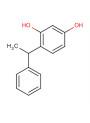
Sym-White (Phenylethyl Resorcinol)
- Mechanism: Also a powerful inhibitor of the Tyrosinase enzyme.
- Effectiveness: Classified as one of the safest and most efficient whitening substances compared to Kojic Acid and Alpha Arbutin. Experimental results show very high efficiency in inhibiting pigment production (e.g., over 210 times more effective than Kojic Acid in laboratory cell experiments).
- Additional Benefits: Possesses antioxidant properties, helping to protect the skin from damage.
- Usage: Typically used at concentrations between 0.1-1.0%, with 0.5% often recommended for leave-on products. It is generally considered well-tolerated with a lower risk of irritation compared to some older ingredients.
- Compatibility: Pairs well with ingredients like Vitamin C, Niacinamide, and gentle exfoliants. Should be formulated within a pH range of 4-5 and avoid certain ingredients like Carbomer, Urea, and proteins.
Which is Better?
Both ingredients are potent options for addressing hyperpigmentation. Based on the descriptions:
- Phenylethyl Resorcinol is highlighted for its very high efficiency in inhibiting tyrosinase and is classified as one of the safest and most efficient options available, also offering antioxidant benefits.
- Activated Resorcinol is also shown to be significantly more effective than several common whitening agents but comes with more specific warnings regarding potential irritation at higher doses and incompatibilities.
Ultimately, both can provide excellent results for skin brightening and reducing dark spots. The choice between them might depend on factors like desired formulation concentration, potential for skin sensitivity, and compatibility with other ingredients in a specific product.
Updated Review: May 2026
This section was added after reviewing the original answer against current product availability and formulation knowledge at the stated point in time.
Update as of 2026-05-31: Current catalog information still supports the main conclusion that both Activated Resorcinol™ (4-Butyl Resorcinol) and Phenylethyl Resorcinol are strong brightening actives for uneven tone, dark spots, freckles, and melasma-looking pigmentation. There is still no need to change the answer to say that one is universally better for every formula or every skin type.
A naming clarification: the current Phenylethyl Resorcinol listing is described as chemically equivalent to SymWhite 377, but not produced by the SymWhite 377 producer. For formulation choice, Activated Resorcinol™ is currently listed for leave-on use up to 1% and is light-sensitive, best around pH 4.5-5.5, with no heat. Phenylethyl Resorcinol is currently listed at 0.1-1.0%, with 0.5% recommended for leave-on formulas, pH 4-5, and should avoid or carefully test ingredients such as Carbomer/Carbopol, PEG-400, amino acids, urea, proteins, and some fragrances. Daily sunscreen remains essential when targeting pigmentation.