Comparison of CM Glucan, Beta Glucan, and Ceramide Complex for Atopic Dermatitis
Question
I have atopic dermatitis with symptoms of rash, redness, and itching, and have previously used steroids. I am planning to formulate a cream similar to Atopiclair and am considering using either CM Glucan or Ceramide Complex, but need to choose one due to budget limitations.
- Why is CM Glucan cheaper per gram than Beta Glucan (Saccharomyces cerevisiae extract) despite being more water-soluble? Does this mean CM Glucan is less effective?
- Which ingredient, CM Glucan or Ceramide Complex, would be more suitable for my atopic dermatitis symptoms (rash, redness, itching) if I can only choose one?
Answer
Understanding CM Glucan vs. Beta Glucan and Choosing for Atopic Skin
Thank you for your questions regarding CM Glucan, Beta Glucan, and your skin concerns.
Regarding the stock of Fractionated Coconut Oil, I do not have access to real-time inventory information. Please check the website directly or contact customer service for the most up-to-date information on its availability.
Now, let's address your questions about CM Glucan and Beta Glucan, and which ingredient might be more suitable for your skin condition.
CM Glucan vs. Beta Glucan: Price and Efficacy
You asked why CM Glucan might be cheaper per gram than Beta Glucan (Saccharomyces cerevisiae extract) despite its easier water solubility, and if this indicates lower efficacy.
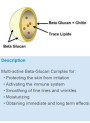
Both CM Glucan and Beta Glucan are derived from yeast and share core benefits related to strengthening the skin's immune system and reducing irritation and allergic reactions. CM Glucan is a modified version of Beta Glucan that has undergone a process called carboxymethylation, which improves its solubility in water.
The difference in price per gram can be influenced by various factors, including the specific manufacturing process, the cost of raw materials, the concentration of the active compound in the product as sold, and the overall production volume. The chemical modification required to make CM Glucan water-soluble might utilize a different or potentially more cost-effective process compared to the purification or extraction methods used for other forms of Beta Glucan.
Based on the product descriptions, both ingredients offer significant benefits for sensitive and reactive skin. CM Glucan is highlighted for improving the skin immune system and protecting against UV-induced damage, while Beta Glucan (Saccharomyces cerevisiae extract) is noted as having skin strengthening and anti-allergic effects as its primary feature, in addition to reducing irritation and wrinkles. The descriptions do not suggest that CM Glucan is significantly less effective than Beta Glucan (Saccharomyces cerevisiae extract) in its core functions for skin immunity and anti-irritation.
Ultimately, the price difference is likely due to variations in sourcing, processing, and product form, rather than a direct indicator of a large difference in efficacy for their intended uses.
Choosing Between CM Glucan and Ceramide Complex for Atopic Dermatitis
You have atopic dermatitis with symptoms of rash, redness, and itching, and are considering CM Glucan and Ceramide Complex for a cream formulation, similar to Atopiclair. You are wondering which to choose due to budget constraints.
Both ingredients are beneficial for skin prone to allergies and irritation, but they work through different mechanisms:
- CM Glucan: Primarily works by strengthening the skin's immune system and reducing its reactivity to irritants and allergens. It helps the skin become more resilient and less prone to allergic reactions and inflammation.
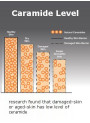
- Ceramide Complex: Focuses on repairing and reinforcing the skin's natural barrier function. Atopic dermatitis is often associated with a compromised skin barrier, which leads to increased water loss and allows irritants and allergens to penetrate the skin more easily. Ceramide Complex helps replenish the essential lipids (ceramides) in the skin barrier, improving hydration and preventing external factors from triggering reactions.
For atopic dermatitis, addressing the compromised skin barrier is crucial. Ceramide Complex directly targets this fundamental issue by helping to rebuild the protective layer of the skin. While clinical trials haven't definitively proven ceramides treat the allergy itself, they are shown to be very helpful when the skin barrier is damaged or weak, which is a hallmark of atopic skin.
CM Glucan is also highly relevant as it helps calm the overactive immune response characteristic of allergic skin. It can reduce the skin's tendency to react.
Ideally, using both ingredients could provide a comprehensive approach, addressing both the barrier dysfunction and the immune hypersensitivity. However, if you must choose one due to budget:
- If your primary concern is repairing the dry, damaged, and easily permeable skin barrier, Ceramide Complex might be the more foundational ingredient.
- If your main focus is on reducing the redness, itching, and overall allergic reactivity, CM Glucan could be prioritized.
Given that atopic dermatitis involves a weakened barrier, many formulations for this condition emphasize barrier repair. Therefore, Ceramide Complex is often considered a core ingredient for improving the skin's resilience in atopic skin. However, individual skin can respond differently, as noted by C7. Consider which aspect (barrier repair vs. reducing reactivity) is the most pressing for your symptoms.
Remember to follow the mixing instructions for whichever ingredient you choose. Ceramide Complex (CeraTouch) requires mixing with water first and ideally should be used with Cholesterol. CM Glucan has pH and temperature limitations and potential incompatibilities.
I hope this information helps you make an informed decision for your formulation.
Related Products Mentioned
Ceramide Complex (CeraTouch™, Cream)