Comparison of Different Zinc Forms and Amino Acid Chelates
Question
What are the differences between Zinc Bisglycinate, Zinc Citrate, Zinc Aspartate, and Zinc Gluconate in terms of efficacy, safety, and bioavailability? Is Zinc Aspartate considered a type of Zinc Amino Acid Chelate?
Answer
Comparison of Zinc Forms
Different forms of zinc supplements vary primarily in their bioavailability (how well the body can absorb and utilize the zinc) and the specific compound zinc is bound to.
- Zinc Bisglycinate: This form is chelated, meaning zinc is bound to two glycine molecules. The description indicates it can be absorbed more easily than other types of zinc. It is highlighted for its role in immune, nervous, endocrine, and skeletal systems, protein/carbohydrate metabolism, RNA/DNA synthesis, intercellular signaling, antioxidant properties, wound healing, and skin health (including reducing hair loss and oiliness by inhibiting DHT). It contains 27% elemental zinc.
- Zinc Citrate: Zinc is bound to citric acid. The description notes its high bioavailability, meaning it is easily absorbed. Its benefits listed are comprehensive, including immune system support, wound healing, antioxidant properties, growth and development, skin health (acne, eczema, psoriasis), reproductive health, taste and smell function, blood sugar regulation, cognitive function, eye health, and anti-inflammatory effects. It contains 31% elemental zinc.
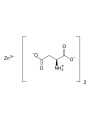
- Zinc Aspartate (listed as Zinc Amino Acids): Zinc is bound to aspartic acid, which is an amino acid. The product name itself, "Zinc Amino Acids (Zinc Aspartate, Zinc 20%)", indicates that Zinc Aspartate is considered a form of zinc amino acid chelate. Its description is similar to Zinc Bisglycinate, mentioning importance for various body systems, enzymatic reactions, antioxidant protection, wound healing, and skin/hair benefits (reducing hair loss and oiliness via DHT inhibition). It contains 20% elemental zinc.
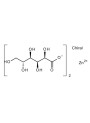
- Zinc Gluconate: Zinc is bound to gluconic acid. The description lists a wide range of benefits similar to Zinc Citrate, including immune support, wound healing, antioxidant properties, growth and development, skin health, reproductive health, taste and smell, blood sugar regulation, cognitive function, and eye health. It contains 14% elemental zinc.
Efficacy and Safety:
While all these forms provide elemental zinc and offer general zinc benefits, the primary difference in efficacy often lies in their absorption rate and bioavailability. Zinc Bisglycinate and Zinc Citrate are often favored for their reported higher bioavailability compared to some other forms. Zinc Aspartate, being an amino acid chelate, is also generally considered to have good absorption. Zinc Gluconate is a common and widely used form.
Regarding safety, all these forms are generally considered safe when used as directed within recommended dosages. Excessive intake of any form of zinc can lead to side effects.
Determining which is "best" depends on individual absorption, tolerance, and specific health goals. Forms with higher bioavailability like Zinc Bisglycinate and Zinc Citrate might be preferred for better absorption.
Zinc Aspartate vs. Zinc Amino Acid Chelate:
Yes, Zinc Aspartate is a type of zinc amino acid chelate. Amino acid chelates involve binding a mineral to amino acids to potentially enhance absorption. In the case of Zinc Aspartate, zinc is chelated with aspartic acid, which is an amino acid. The product listing confirms this by naming it "Zinc Amino Acids (Zinc Aspartate...)".