Comparison of Hydrogenated Polyisobutene (4cs, 300cs) and PIDDC Viscosity and Properties
Asked by: ruksitda.nopp
On: September 10, 2022
Product Type:
Cosmetics
Answered
Question
Could you compare Hydrogenated Polyisobutene (300cs), Hydrogenated Polyisobutene (4cs), and Polyglyceryl-2 isostearate/dimer dilinoleate copolymer (PIDDC) in terms of their product characteristics, specifically which one is the most liquid and which is the most viscous?
Answer
Comparing Hydrogenated Polyisobutene (300cs), Hydrogenated Polyisobutene (4cs), and Polyglyceryl-2 isostearate/dimer dilinoleate copolymer (PIDDC)
These three ingredients are all used in cosmetic formulations, particularly in oil-based products, but they have different characteristics, especially regarding viscosity.
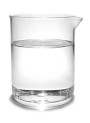
- Hydrogenated Polyisobutene (4cs): This is a light, clear hydrocarbon oil with a low viscosity (around 3.6 cs). It acts as an emollient, making the skin feel soft, and can help reduce the stickiness of a formula.
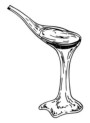
- Hydrogenated Polyisobutene (300cs): This is a more viscous, clear hydrocarbon oil with a higher viscosity (around 300 cs). It is commonly used in makeup products for its good gloss, adherence to the skin, and stability.
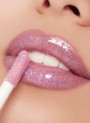
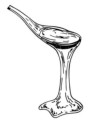
- Polyglyceryl-2 isostearate/dimer dilinoleate copolymer (PIDDC): This is described as a viscous oil and a water-oil binder specifically developed for lip gloss formulations. It provides shine, comfort, moisture retention, and good adherence, making it feel substantial and long-lasting on the lips.
While all three are oils used in cosmetics, their textures and primary functions differ due to their varying viscosities and chemical structures.
Viscosity Comparison:
Based on the viscosity information and descriptions:
- The least viscous is Hydrogenated Polyisobutene (4cs).
- The most viscous is likely Polyglyceryl-2 isostearate/dimer dilinoleate copolymer (PIDDC), given its description as a viscous oil and binder specifically for lip gloss, followed closely by Hydrogenated Polyisobutene (300cs).