Comparison of LC Cream Maker and Olivem 1000 Emulsifiers
Question
What are the similarities and differences between LC Cream Maker and Olivem 1000 emulsifiers, particularly regarding their ability to form Liquid Crystal emulsions and their formulation properties?
Answer
Comparison of LC Cream Maker and Olivem 1000
Both LC Cream Maker (Sorbitan Stearate and Sucrose Cocoate) and Olivem 1000 (Cetearyl Olivate, Sorbitan Olivate) are popular oil-in-water emulsifiers used to create cosmetic emulsions.
Liquid Crystal Structure
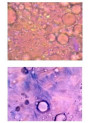
Yes, both emulsifiers are known for their ability to create a Liquid Crystal structure within the emulsion. This structure is beneficial because it is similar to the natural lipid structure of the skin, which can lead to:
- Improved skin penetration of active ingredients.
- Enhanced moisturization.
- Reduced potential for irritation compared to other emulsion types.
Key Differences
While both can form liquid crystals, they have some differences in their properties and usage:
- Thickening: Olivem 1000 provides built-in thickening to the formula, often reducing or eliminating the need for additional thickeners. LC Cream Maker, on the other hand, typically requires the addition of a separate gel maker (such as Xanthan Gum or Carbomer) to achieve desired viscosity and stability.
- Mixing Method: The recommended mixing method differs. LC Cream Maker is typically dispersed in the heated water phase first, while Olivem 1000 is usually dissolved in the heated oil phase.
- Usage Rate: The typical usage rate for LC Cream Maker is 2-4%, while Olivem 1000 is used at 3-8% depending on the desired consistency.
In summary, both emulsifiers can create beneficial liquid crystal emulsions, but they differ in their thickening properties and recommended formulation procedures.