Comparison of Natural vs. Synthetic Emulsifiers and Preservatives
Asked by: sasikarn.str
On: April 01, 2026
Product Type:
Cosmetics
Answered
Question
Regarding natural emulsifiers and natural preservatives:
- What are the pros and cons compared to standard (synthetic) ingredients?
- Which type should be preferred, and what are the criteria for consideration?
- What options are available at MySkinRecipes?
Answer
Choosing between natural and standard (synthetic) ingredients is a common dilemma in cosmetic formulation. Here is a comparison to help you decide.
1. Natural Emulsifiers
Natural emulsifiers are typically derived from plant sources like lecithin, fatty alcohols, or vegetable waxes.
Pros:
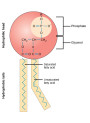
- Skin Compatibility: Often mimic the skin's natural lipid structure (especially phospholipids), helping to repair the skin barrier.
- Marketing Appeal: Essential for "Clean Beauty," "Organic," or "Vegan" branding.
- Added Benefits: Many natural emulsifiers act as active ingredients themselves, providing moisturization and enhancing penetration.
Cons:
- Stability: Generally harder to stabilize than synthetic ones. They may require high-shear mixing or stabilizers like Xanthan Gum.
- Texture: Can feel heavier or waxier on the skin compared to the "silky" feel of synthetic emulsifiers.
- Cost: Usually more expensive.
MySkinRecipes Recommendations:
- LeciCream™ (Natural Emulsifier / Cream Maker): Made from hydrogenated lecithin, ideal for rich, nourishing creams.
- PhosphoMax™ (Natural Phospholipid Emulsifier): Highly effective and skin-friendly. It is recommended to use it with a stabilizer like Xanthan Gum.
- Emulsifying Beeswax (Non-Ionic, Natural): A natural option for traditional cream textures.
2. Natural Preservatives
Natural preservatives are often derived from organic acids, plant extracts, or fermentation.
Pros:
- Safety Profile: Avoids controversial ingredients like Parabens or Formaldehyde releasers.
- Consumer Preference: Highly sought after by eco-conscious consumers.
Cons:
- pH Sensitivity: Most natural preservatives only work in a narrow pH range (typically pH 3.0–6.0). If your formula is outside this range, they won't work.
- Spectrum of Activity: They may not be "broad-spectrum" on their own, often requiring a combination of several natural agents to fight bacteria, yeast, and mold effectively.
- Scent and Color: Some can have strong herbal scents or impart a yellowish tint to the product.
MySkinRecipes Recommendations:
- NaturePreserve™ Ultra: A 100% natural powder preservative (Gluconolactone & Sodium Benzoate). Works best at pH 3-6. Note: Do not use with Vitamin C (L-Ascorbic Acid).
- Thyme Care™: Extracted from Thyme and Rosewood. It is a powerful broad-spectrum natural preservative but has a distinct herbal scent.
- PaeoniaPreserve™: Derived from Peony root, offering a mild scent and gentle preservation.
How to Choose?
- Brand Identity: If you are aiming for Organic certification (like COSMOS or ECOCERT), natural is mandatory.
- Formulation Complexity: If you are a beginner, standard emulsifiers and preservatives (like Phenoxyethanol) are much more "forgiving" and easier to use successfully.
- Product pH: If your product has a high pH (e.g., liquid soap), natural preservatives may not be suitable.
- Budget: Natural formulations will significantly increase your cost per unit.
Pro Tip: Many formulators use a "Hybrid Approach"—using natural emulsifiers for their skin benefits while using a reliable, mild synthetic preservative to ensure the product remains safe and shelf-stable.
Related Products Mentioned
Phenoxyethanol (Extra Pure)
Cosmetics

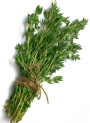
Thyme Care™ (natural preservative)
Cosmetics

PaeoniaPreserve™ (Natural Preservative)
Cosmetics

Emulsifying Beeswax (Non-Ionic, Natural)
Cosmetics