Comparison of Niacinamide and Acetyl Glucosamine & Vitamin C Stains
Question
I would like to ask the team the following questions:
- Since both Niacinamide and Acetyl Glucosamine provide similar results such as strengthening the skin, reducing dark spots, and counteracting melanin in the skin layers, I would like to ask: If I want to use only one of these ingredients, which one does the team recommend? And what are the highlights, pros, and cons of each ingredient?
- Another question: If I apply Vitamin C (L-ascorbic acid) to my skin, can it cause yellow stains on clothes due to the degradation of Vitamin C?
Answer
Comparison of Niacinamide and Acetyl Glucosamine
Both Niacinamide (Vitamin B3) and Acetyl Glucosamine offer benefits for the skin, including improving skin health and reducing dark spots. However, they have some distinct advantages:
- Niacinamide (Vitamin B3): This ingredient is well-known for its versatile benefits. It significantly helps in strengthening the skin barrier, reducing inflammation, controlling excess oil production, and improving skin texture. It is also effective in reducing hyperpigmentation and redness.
- Acetyl Glucosamine: This ingredient works effectively to reduce dark spots by inhibiting melanin production. It also helps to boost the skin's natural production of hyaluronic acid, leading to improved hydration and a reduction in the appearance of fine lines. Acetyl Glucosamine also offers gentle exfoliating properties.
When used together, Niacinamide and Acetyl Glucosamine have a synergistic effect, meaning they work even better in combination to reduce dark spots and improve overall skin tone and texture. If you are looking to choose just one ingredient, Niacinamide offers a broader range of benefits for overall skin health and barrier function, in addition to helping with dark spots. However, for targeted action on dark spots and enhanced hydration, the combination is highly recommended.
Vitamin C and Yellow Stains
Regarding your question about Vitamin C (L-ascorbic acid) causing yellow stains on clothes, this can indeed happen. L-ascorbic acid is prone to oxidation and degradation when exposed to air, light, or heat, especially when dissolved in water. As it degrades, it can turn yellow or orange. This discolored product can then transfer from your skin to your clothes, potentially causing yellow stains.
Related Products Mentioned
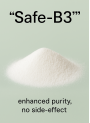
Safe-B3™ (Vitamin B3, Niacinamide)

GlucoBright™ (Acetyl Glucosamine)