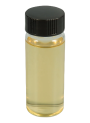
Comparison of Pentasodium Pentetate (DTPA-5Na) 40% vs 50% Concentration
Question
Is the difference between Pentasodium Pentetate (DTPA-5Na, 40%) and Pentasodium Pentetate (DTPA-5Na, 50%) only the concentration percentage, or are there other differing ingredients as well?
Answer
The main difference between Pentasodium Pentetate (DTPA-5Na, 40%) and Pentasodium Pentetate (DTPA-5Na, 50%) is the concentration of the active ingredient.
- Pentasodium Pentetate (DTPA-5Na, 40%): Contains 40% active matter in an aqueous solution.
- Pentasodium Pentetate (DTPA-5Na, 50%): Contains 50% active matter in an aqueous solution.
Both products share the same INCI Name (Pentasodium Pentetate) and serve the same function as a chelating agent, which helps stabilize formulations by binding with metal ions. They are commonly used in permanent hair dye products and other cosmetic formulations that require a strong chelator.
There are no other different functional ingredients between the two; the choice between them depends on your desired concentration in the final formulation and ease of use. If you switch from the 40% version to the 50% version, you would need to adjust the dosage downward to maintain the same level of active chelating agent in your recipe.
Usage and Properties:
- Solubility: Both are water-soluble.
- Appearance: Both are liquid.
- Mixing: Can be mixed directly into the water phase of the formulation.
Related Products Mentioned
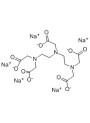
Pentasodium Pentetate (DTPA-5Na, 40%)