Comparison of Propylene Glycol Dicaprylate/Dicaprate and LipidSoft™ DS for Sunscreen and W/O Formulas
Question
I would like to compare [url=http://www.myskinrecipes.com/shop/%E0%B8%AA%E0%B9%88%E0%B8%A7%E0%B8%99%E0%B8%9B%E0%B8%A3%E0%B8%B0%E0%B8%81%E0%B8%AD%E0%B8%9A%E0%B9%80%E0%B8%84%E0%B8%A3%E0%B8%B7%E0%B9%88%E0%B8%AD%E0%B8%87%E0%B8%AA%E0%B8%B3%E0%B8%AD%E0%B8%B2%E0%B8%87%E0%B8%84%E0%B9%8C/138-propylene-glycol-%E0%B9%82%E0%B8%9E%E0%B8%A3%E0%B9%84%E0%B8%9E%E0%B8%A5%E0%B8%B5%E0%B8%99-%E0%B9%84%E0%B8%81%E0%B8%A5%E0%B8%84%E0%B8%AD%E0%B8%A5.html:2rhiuico]Propylene Glycol[/url:2rhiuico] dicaprylate/dicaprate and [url=http://www.myskinrecipes.com/shop/55-emollient-ester-%E0%B8%AA%E0%B8%B2%E0%B8%A3%E0%B9%80%E0%B8%9E%E0%B8%B4%E0%B9%88%E0%B8%A1%E0%B8%84%E0%B8%A7%E0%B8%A1%E0%B8%99%E0%B8%B8%E0%B9%88%E0%B8%A1%E0%B8%A5%E0%B8%B7%E0%B9%88%E0%B8%99:2rhiuico]LipidSoft™[/url:2rhiuico] DS ([url=https://www.myskinrecipes.com/shop/emollient-ester-%E0%B8%AA%E0%B8%B2%E0%B8%A3%E0%B9%80%E0%B8%9E%E0%B8%B4%E0%B9%88%E0%B8%A1%E0%B8%84%E0%B8%A7%E0%B8%A1%E0%B8%99%E0%B8%B8%E0%B9%88%E0%B8%A1%E0%B8%A5%E0%B8%B7%E0%B9%88%E0%B8%99/7770-diisopropyl-sebacate.html:2rhiuico]Diisopropyl sebacate[/url:2rhiuico]). Specifically, I want to know: 1. Which has better solubility for [url=http://www.myskinrecipes.com/shop/41-spf-sunscreen:2rhiuico]sunscreen[/url:2rhiuico] ingredients? 2. How do their skin feels differ? 3. Which has a higher risk of clogging pores/causing acne? 4. Can either be used in a W/O formulation with only 5-10% water content?
Answer
Comparison of Propylene Glycol Dicaprylate/Dicaprate and LipidSoft™ DS (Diisopropyl Sebacate)
Here's a comparison of Propylene Glycol dicaprylate/dicaprate and LipidSoft™ DS based on your questions:
- Sunscreen Solubility: Both ingredients are effective solvents for UV filters and are commonly used in sunscreen formulations to help dissolve these active ingredients. LipidSoft™ DS is particularly noted for its ability to dissolve sunscreens well while providing a lightweight feel, which is often a challenge with other good sunscreen solvents.
- Skin Feel: Both are described as lightweight emollient esters. They are known to provide a comfortable, non-greasy feel on the skin, making them suitable for various cosmetic applications, including sunscreens.
- Clogging/Acne Risk: Neither Propylene Glycol dicaprylate/dicaprate nor LipidSoft™ DS is typically considered highly comedogenic. They are generally regarded as having a low risk of clogging pores or causing acne, although individual skin reactions can vary.
- W/O Formulation with Low Water Content: Yes, both ingredients can be used in the oil phase of a Water-in-Oil (W/O) emulsion, even with a low water content like 5-10%. These esters are oil-soluble and contribute to the oil phase's properties, such as solvency for oil-soluble components and skin feel. The success and stability of such a W/O emulsion depend primarily on selecting an appropriate W/O emulsifier and optimizing the formulation process, rather than the suitability of these specific esters themselves, as they are compatible with the oil phase.
Related Products Mentioned
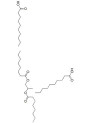
Propylene glycol dicaprylate/dicaprate