Comparison of Sym-White™ and Activated Resorcinol: Safety, Irritation, and Compatibility
Question
Based on the information that Sym-White™ has lower irritation than Activated Resorcinol, does this mean Sym-White™ is safer for long-term use? Also, why do Sym-White™ and Activated Resorcinol have similar incompatibilities, such as the recommendation not to mix them with Copper Peptide?
Answer
Sym-White™ vs Activated Resorcinol
Regarding your questions about Sym-White™ and Activated Resorcinol:
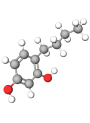
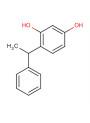
Safety and Irritation: Yes, it is correct that Sym-White™ (Phenylethyl Resorcinol) has a lower irritation rate compared to Activated Resorcinol (4-Butylresorcinol). This makes Sym-White™ gentler on the skin and reduces the potential for irritation or allergic reactions. However, both ingredients are considered safe for use in cosmetics when used within the approved concentrations and do not pose long-term danger to the skin or body, as they have received regulatory approvals worldwide. So, while Sym-White™ is safer in terms of being less irritating, both are generally safe for long-term use within recommended limits.
Similar Structure and Interaction with Copper Peptide: Yes, Sym-White™ and Activated Resorcinol have similar chemical structures and mechanisms of action. This structural similarity and how they work is likely the reason why they share similar incompatibilities, such as the recommendation not to mix them with Copper Peptide.