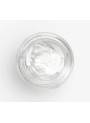
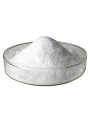
Comparison: Pro Polymer vs. Carbomer Ultrez 21 (Same INCI)
Question
What are the differences between [url=http://www.myskinrecipes.com/shop/%E0%B8%AA%E0%B8%A3%E0%B9%89%E0%B8%B2%E0%B8%87%E0%B9%80%E0%B8%99%E0%B8%B7%E0%B9%89%E0%B8%AD%E0%B9%80%E0%B8%88%E0%B8%A5-thickener/234-pro-polymer-acrylate-crosspolymer.html:c699cvp9]Pro Polymer[/url:c699cvp9] and [url=http://www.myskinrecipes.com/shop/%E0%B8%AA%E0%B8%B2%E0%B8%A3%E0%B8%AA%E0%B8%A3%E0%B9%89%E0%B8%B2%E0%B8%87%E0%B9%80%E0%B8%99%E0%B8%B7%E0%B9%89%E0%B8%AD%E0%B8%88%E0%B8%B0%E0%B9%80%E0%B8%A5-%E0%B8%99%E0%B9%89%E0%B8%B3-water-gellant/5985-carbomer-carbopol-ultrez-21.html:c699cvp9]Carbomer Ultrez 21[/url:c699cvp9]? Their INCI names are the same. Are their properties similar or different? How do their electrolyte and acid/alkali tolerances differ in terms of practical use?
Answer
Comparison: Pro Polymer vs. Carbomer Ultrez 21
You've observed that Pro Polymer and Carbomer Ultrez 21 share the same INCI name, Acrylates/C10-30 Alkyl Acrylate Crosspolymer. While the INCI name indicates they belong to the same chemical class of cross-linked acrylic polymers used for thickening and stabilizing, different grades or manufacturers can result in variations in performance characteristics.
Based on the product descriptions provided, here's a comparison of their properties and usage:
Texture and Usage:
- Pro Polymer: Known for creating high viscosity gels, making it suitable for suspending particles (like beads in scrubs). It can also create a creamy, pudding-like texture at higher concentrations (>3%). It leaves a thin coating film on the skin after drying.
- Carbomer U21: Produces a clear, easy-to-use gel. It is also noted for its self-wetting properties and can be used as a defoamer at low concentrations (0.1%).
Electrolyte Tolerance:
- Pro Polymer: The description explicitly states it has good electrolyte resistance. It provides guidance on how to use it in formulas containing electrolytes (substances with Sodium, Magnesium, Calcium, Potassium), recommending a higher usage rate (2-3% from normal 1%) and adding electrolytes after the gel is formed.
- Carbomer U21: The description mentions a "Wide pH Range" but does not specifically detail its electrolyte tolerance. Based only on the provided descriptions, Pro Polymer appears to offer better or more explicitly stated resistance to electrolytes.
pH Range:
- Pro Polymer: The stable pH range is not explicitly mentioned in the description.
- Carbomer U21: Can be used in formulations with a pH range of 5-11.
Usage Rate:
- Pro Polymer: Typically used at 0.5-5%. A rate of 0.8% is recommended for general gel texture, with higher amounts needed for electrolyte tolerance or pudding-like texture.
- Carbomer U21: Has a lower typical usage rate of 0.1-2%.
Mixing Method:
- Pro Polymer: Mixed in the water phase by sprinkling and stirring slowly (3-5 minutes). Avoid high shear (>2500 rpm). Can be pre-mixed with glycerin or propylene glycol (>5%) or allowed to hydrate for a longer period (1 day) for easier dissolution.
- Carbomer U21: Blended or stirred until dissolved in water. Described as self-wetting and easy to dissolve.
In summary, while sharing the same INCI name, Pro Polymer is highlighted for its ability to create high viscosity gels, suspend particles, form specific textures, and offers good electrolyte resistance with specific usage instructions for such formulas. Carbomer U21 is presented as a more general-purpose, easy-to-use, clear gel maker with a defined wide pH range and self-wetting characteristics. The key difference based on the descriptions is Pro Polymer's explicit mention and guidance regarding electrolyte tolerance.