Compatibility and Formulation Feasibility of a Multi-Ingredient Anti-Aging Serum
Question
Hello, I would like to inquire.
I am unsure if all these ingredients can be in the same formula. I want a high-quality serum, so I chose to include many ingredients.
Can all these ingredients be mixed together? Do I need to add or remove anything to achieve maximum wrinkle reduction efficacy?
Are there any additional recommendations you can provide?
Here is the list of ingredients and percentages:
- Copper Peptide (GHK-Cu) - 3.00%
- Repair Activator™ - 15%
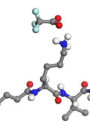
- Pep®-Coll (Palmitoyl Tripeptide-5) - 3.00%
- Galactomyces Ferment Filtrate (aka. Pitera) - 27%
- Pal-GHK, Pal-GQPR (eq. Matrixyl 3000) - 5.00%
- Apple Stem Cell Extract (AppleCell™) - 3.00%
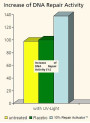
- DMAE (SkinTight MD™) Liquid - 3.00%
- Rosa Hybrid Cell Extract (HybridCell™) - 2.00%
- RETINAT™ (Starfish Extract) - 1.60%
- Snow Algae - 2.00%
- Wrinkle-Lax™ - 0.5%
- Adenosine Liposome - 5.00%
- Japanese Cedar (Cryptomeria Japonica Bud Extract) - 1%
- Plankton GP4G™ - 2.00%
- Glycosaminoglycans Complex - 3.00%
- Ectoine (Ectoin) - 2.00%
- Marine Plankton (Lifting, Tightening) - 2.00%
- L-Carnosine - 1.00%
- Quick-Coll® - 2.00%
- Salmon Roe Extract - 5.0%
- Horse Placenta รกม้าสกัด - 1.4%
- Tetrapeptide-21 - 3.00%
- Hyaluronic Acid (Small Molecule) - 0.2%
- 1,2-Hexanediol (Super-Purified, Odor-less) - 2%
- Laurocapram (Water Soluble) - 2%
- Dimethyl Isosorbide (DMI) - 3%
- Xanthan Gum (ชนิดเจลใส, เนื้อเนียนไม่ยืด) - 0.3%
Answer
Regarding Your Copper Peptide Serum Formulation
Hello,
Thank you for reaching out regarding your serum formulation idea. It's great that you are interested in creating a high-quality serum with many beneficial ingredients for anti-aging.
You have listed a total of 27 ingredients with relatively high concentrations, aiming for maximum wrinkle reduction. While the intention to combine many powerful actives is understandable, mixing this many ingredients into a single formulation, especially at these concentrations, presents significant challenges and risks.
Here are the main points to consider:
- Ingredient Compatibility and Stability: Many active ingredients, particularly peptides, ferments, and extracts, have specific pH requirements and can interact negatively with each other. For example, Copper Peptides (GHK-Cu and Quick-Coll®) are sensitive to low pH and can react with certain ingredients, potentially reducing their effectiveness or causing instability. Combining 27 different ingredients makes it highly probable that incompatible pairs exist, leading to degradation or loss of efficacy over time.
- Formulation Complexity: Creating a stable, homogenous, and effective serum with such a large number of diverse ingredients requires advanced formulation knowledge and extensive testing (stability testing, compatibility testing, microbial testing). It's much more complex than simply mixing the ingredients together. Achieving the desired texture and ensuring all components remain dispersed and stable is difficult.
- Skin Irritation and Sensitization: A high concentration of multiple active ingredients, combined with penetration enhancers like Laurocapram and Dimethyl Isosorbide (DMI), significantly increases the risk of skin irritation, redness, burning, or allergic reactions. Your skin might not tolerate such a potent mix.
- Redundancy and Efficacy: While many ingredients target anti-aging, combining them all doesn't necessarily lead to proportionally better results. Some ingredients might have overlapping mechanisms, or their efficacy could be compromised by interactions or poor formulation. Sometimes, a simpler formula with well-chosen, compatible ingredients at optimal concentrations can be more effective and safer.
Recommendation:
Given the complexity and potential issues, I strongly advise against attempting to mix all 27 ingredients into a single serum yourself. It is highly likely to result in an unstable, ineffective, or potentially irritating product.
Instead, I recommend the following approaches:
- Simplify Your Formulation: Focus on a smaller number of key active ingredients (e.g., 3-5) that target your primary concerns and are known to be compatible. Research the recommended usage levels and compatibility of these specific ingredients.
- Layer Different Products: Use multiple serums or products, each containing a few compatible active ingredients. You can apply different serums at different times of the day (e.g., one in the morning, another at night) or layer them carefully, allowing each layer to absorb before applying the next. This allows you to use a wider range of ingredients without the compatibility issues of mixing them into one formula.
- Consult a Professional Formulator: If you are aiming for a highly complex, high-quality product, consider consulting a cosmetic chemist who has the expertise and resources for proper formulation, testing, and manufacturing.
While your enthusiasm for creating a powerful anti-aging serum is commendable, safety, stability, and proven efficacy are paramount. A well-formulated product with fewer, compatible ingredients is often more beneficial than a complex mix that may be unstable or irritating.
I hope this information is helpful!
Related Products Mentioned
Pep®-Coll (Palmitoyl tripeptide-5)
Pal-GHK, Pal-GQPR (eq Matrixyl 3000)

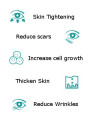

DMAE (SkinTight MD™) Liquid

Wrinkle-Lax™ คลายริ้วรอย
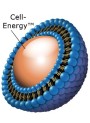
Adenosine Liposome

RETINAT™ (Starfish Extract)

Snow Algae
Quick-Coll®

Horse Placenta
Salmon Roe Extract (Norway)